From the highest mountains on earth to hidden jungle wildlife reserves, turquoise high-altitude lakes, and ancient sacred cities — Nepal's 50 greatest destinations, curated and explained.
Where the earth runs out of sky — the treks and base camps of the world's highest mountains.
Trekking
01 / 50ChallengingMarch–May, October–November
Everest Base Camp
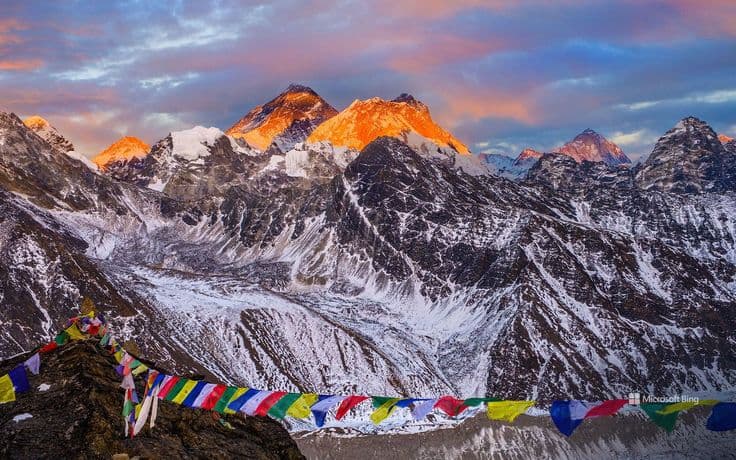
Stand at the foot of the world's highest peak.
At 5,364m, Everest Base Camp is the most iconic trekking destination on earth. The 12–14 day route from Lukla passes through Sherpa villages, Buddhist monasteries at Thyangboche, and the surreal Khumbu Glacier. One of the world's great pilgrimages for non-climbers.
Altitude sickness is the main risk — spend 2 nights at Namche Bazaar (3,440m) to acclimatise. No technical climbing gear required for Base Camp.
The Annapurna Circuit circumnavigates the entire Annapurna massif over 15–21 days, crossing the Thorong La pass at 5,416m. Diverse ecology from subtropical forests to Tibetan-style high-altitude desert. The trail passes through Manang, the ancient walled city of Jomsom, and the sacred Muktinath temple.
Many trekkers now take the Annapurna Circuit counter-clockwise to end at Nayapul — allowing acclimatisation to build gradually to the Thorong La pass.
Long-distance trekkersCulture explorersSolo adventurersThorong La pass (5,416m)Muktinath templeJomsom
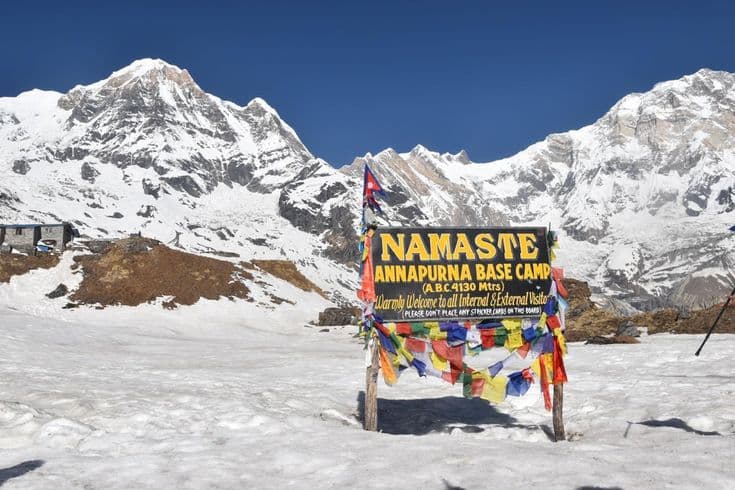
The Annapurna Sanctuary at 4,130m is surrounded by a 360° wall of Himalayan giants — Annapurna I, Machapuchare, Hiunchuli, and Gangapurna. The 10–12 day trek from Pokhara passes through rhododendron forests and terraced hillside villages.
The 'fish-tail' peak Machapuchare (6,993m) is considered sacred and has never been climbed — making it one of the most distinctive silhouettes in Nepal's skyline.
First-time Nepal trekkersMountain photographersCouples4,130m Base CampMachapuchareAnnapurna I views
The valley of glaciers, just 2 hours from Kathmandu.
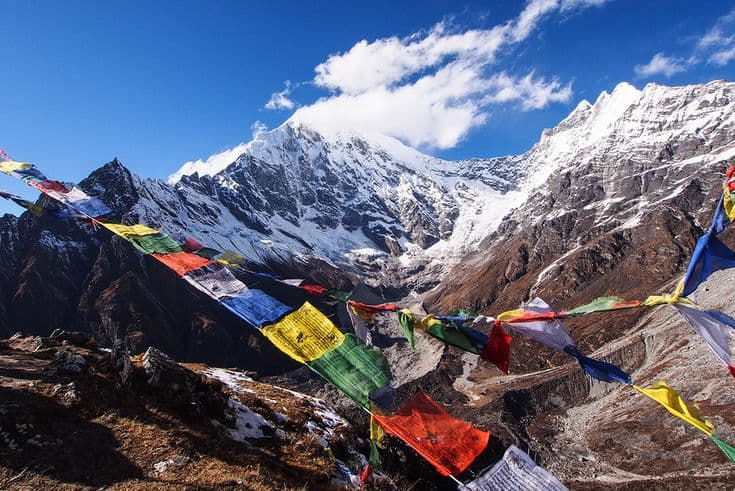
Langtang National Park is Nepal's third most popular trekking region and one of the most accessible — only 2 hours drive from Kathmandu. The valley was devastated by the 2015 earthquake and is now rebuilt, with the resilient Tamang communities welcoming visitors as part of recovery. Kyanjin Gompa at 3,870m is a highlight.
Visiting Langtang directly supports earthquake-affected communities — 90% of the original village was destroyed in 2015. The rebuilt guesthouses and tea houses are now excellent.
Nepal's most spectacular remote circuit — without the Everest crowds.
The Manaslu Circuit (16–18 days) circles the world's eighth-highest mountain through some of Nepal's least-visited landscapes. The Larkya La pass (5,106m) is the highest point — a demanding but non-technical crossing. A restricted area permit is required, ensuring crowd-free trails.
Manaslu requires a restricted area permit ($100/week) plus a licensed guide — solo trekking is not permitted. The restriction is precisely what keeps this trail extraordinary.
Experienced trekkersCrowd-avoidersHigh-altitude hikersLarkya La (5,106m)Restricted areaTibetan Buddhist villages
06 / 50ModerateMay–October (accessible year-round; avoids monsoon due to rain shadow)
Upper Mustang
The last forbidden kingdom — a walled Tibetan city in Nepal.
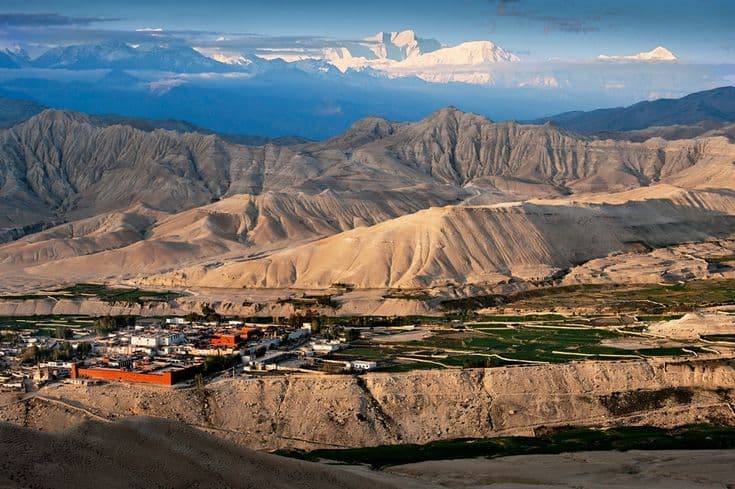
Upper Mustang was closed to all visitors until 1992. The ancient walled city of Lo Manthang and its surrounding cave monasteries preserve Tibetan Buddhist culture in a way that Tibet itself has lost. The dramatic, arid landscape — red rock canyons and sky-blue monasteries — is unlike anywhere else in Nepal.
Upper Mustang requires a special restricted area permit ($500/10 days) and mandatory licensed guide. The area is a rain-shadow desert — visit in July–August when everywhere else in Nepal is wet.
Culture travellersPhotographersTibetan Buddhist enthusiastsLo Manthang walled cityCave monasteriesRain shadow climate
Nepal's most hidden valley — virtually untouched since the 1990s.
Nar and Phu villages were opened to trekkers only in 2003 and see fewer than a few hundred visitors per year. The high-altitude valley (4,000–5,000m) retains an almost entirely unchanged Tibetan character — ancient stupas, prayer flags strung between cliff walls, and a community that has barely changed in centuries.
Access requires a restricted area permit ($90/week) plus a guide. Often combined with the Annapurna Circuit. One of Nepal's last truly remote trekking destinations.
Off-the-beaten-path seekersPhotography adventurersCultural trekkersVirtually no touristsAncient Tibetan villages4,000–5,000m altitude
The world's third-highest peak, with none of the Everest crowds.
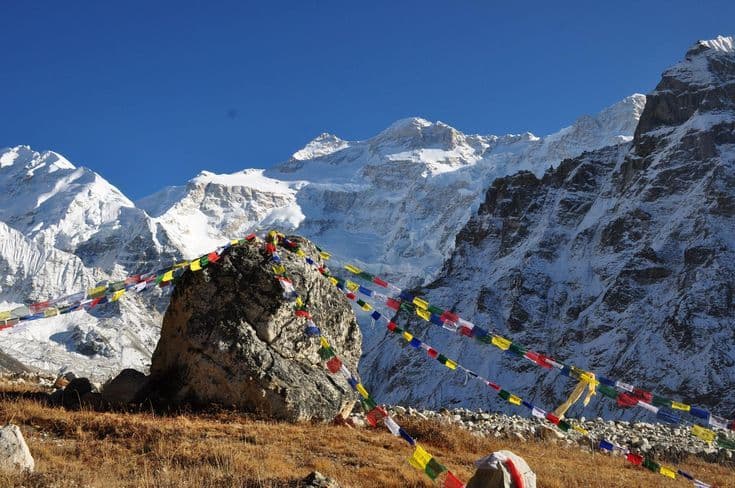
The Kanchenjunga Conservation Area trek (25–30 days) reaches the base camps of the world's third-highest peak (8,586m) in the far eastern corner of Nepal. The trail passes through diverse rhododendron and bamboo forests, remote Rai and Limbu communities, and pristine wilderness that sees fewer than 1,000 trekkers per year.
The longest and most remote of Nepal's major treks. Requires a restricted area permit and guide. Very limited teahouse infrastructure — camping gear recommended for some sections.
Nepal's last frontier: turquoise lakes, tiger jungles, and valleys where tourism hasn't yet arrived.
Lakes
09 / 50ModerateOctober–November, March–April
Rara Lake
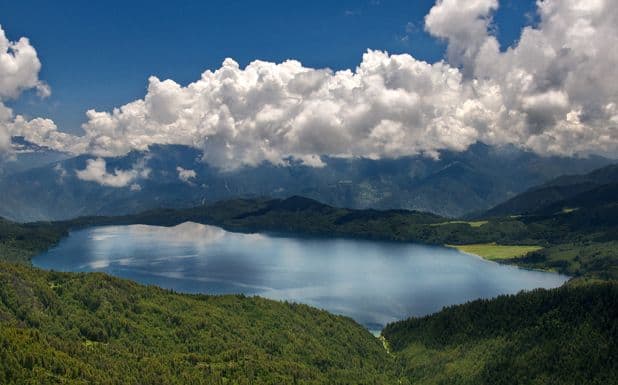
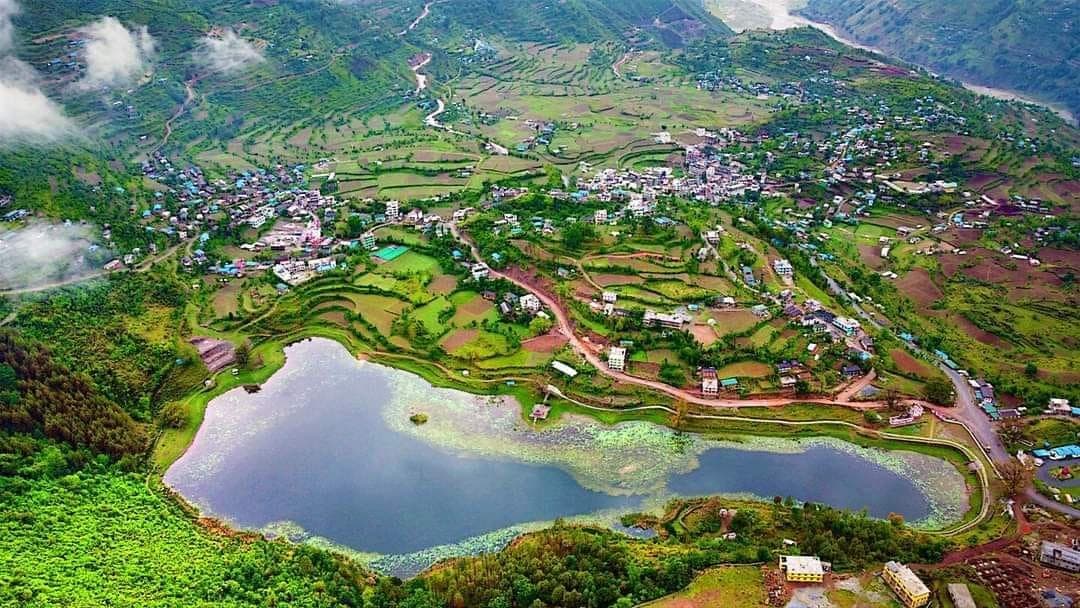
Nepal's largest lake — a turquoise jewel at 2,990m.
Rara Lake in Karnali Province is Nepal's largest lake and one of its most remote destinations. The turquoise water is surrounded by a national park protecting red pandas, musk deer, and over 200 bird species. The nearest road is a day's walk — getting here is part of the experience.
Access via a 40-minute flight to Talcha airport (near Gamgadhi) followed by a 2-day trek. The flight only operates in clear weather — build flexibility into your itinerary.
Off-the-beaten-path travellersWildlife photographersTrekkers2,990m elevationNepal's largest lakeRed pandas
10 / 50EasyOctober–March (best wildlife visibility in dry season)
Bardiya National Park
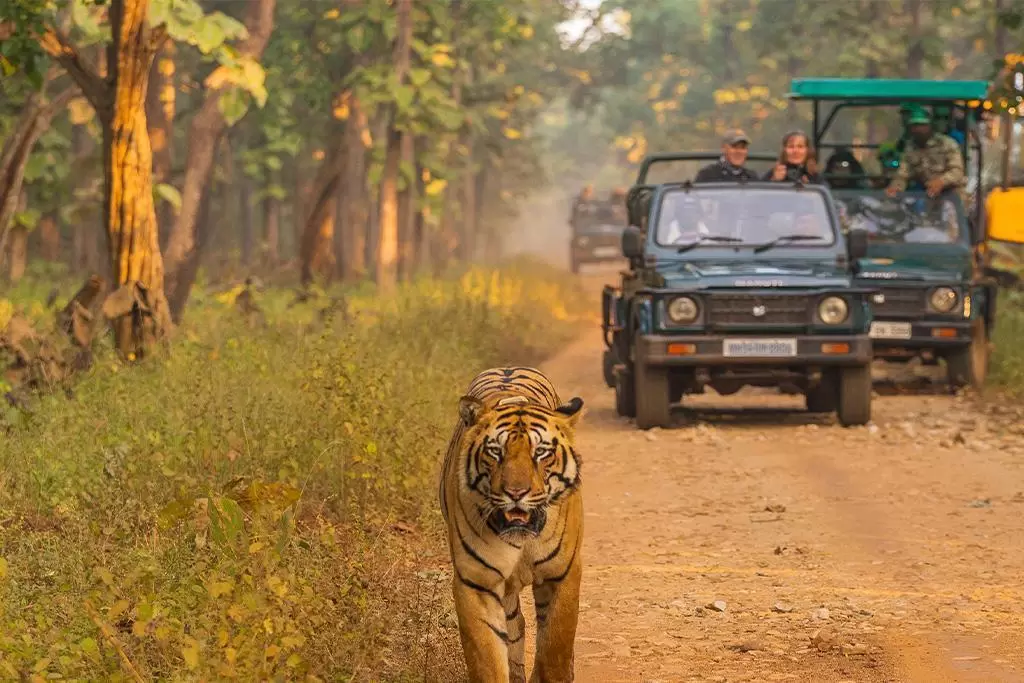
Nepal's best tiger habitat — with almost no tourists.
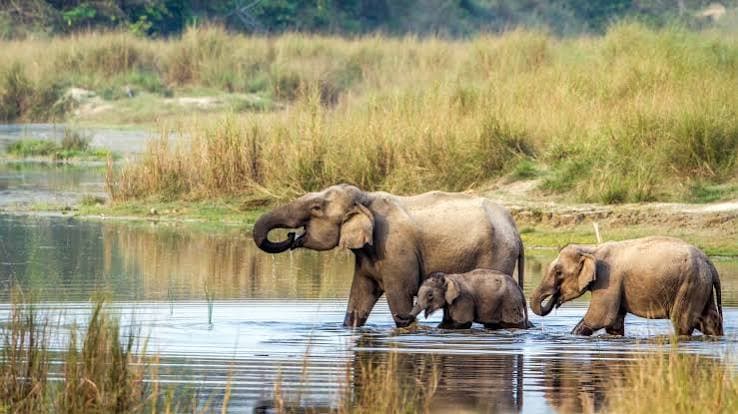
Bardiya National Park in Lumbini Province protects Nepal's largest uninterrupted expanse of Terai jungle. Bengal tiger sightings are more frequent here than Chitwan, and the park sees only a fraction of Chitwan's visitor numbers. Wild elephants, one-horned rhinos, gharials, and over 400 bird species share the sal forest.
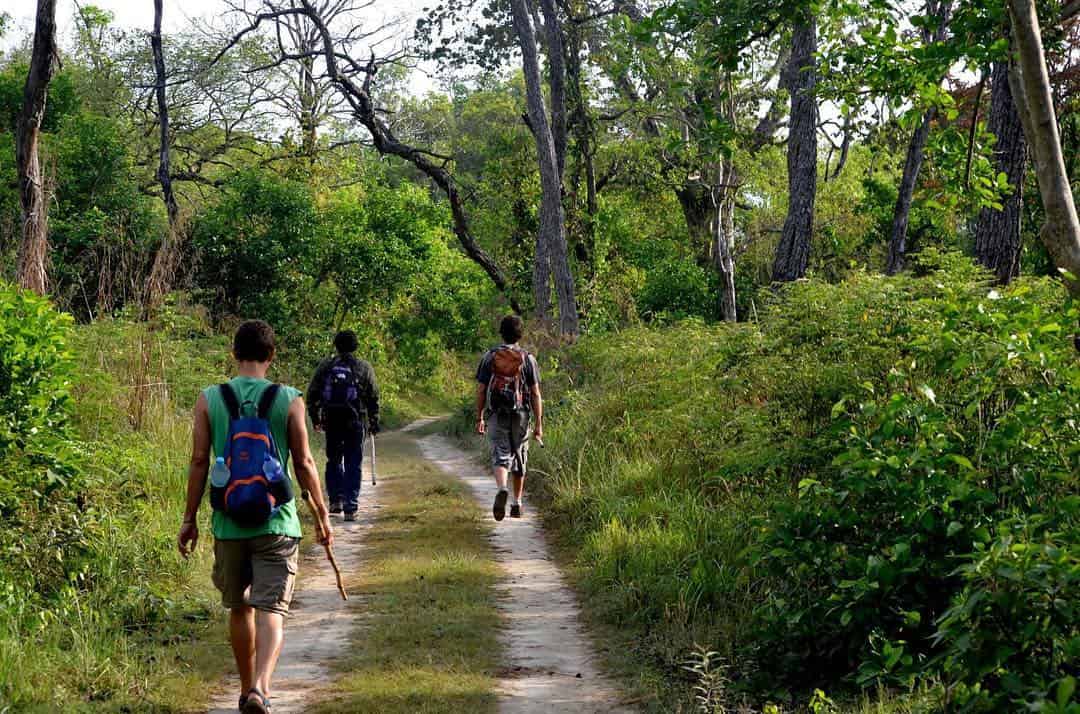
Bardiya has the highest density of Bengal tigers in Nepal. The walking safari experience — no vehicle barriers between you and the jungle — is fundamentally different from a game drive.
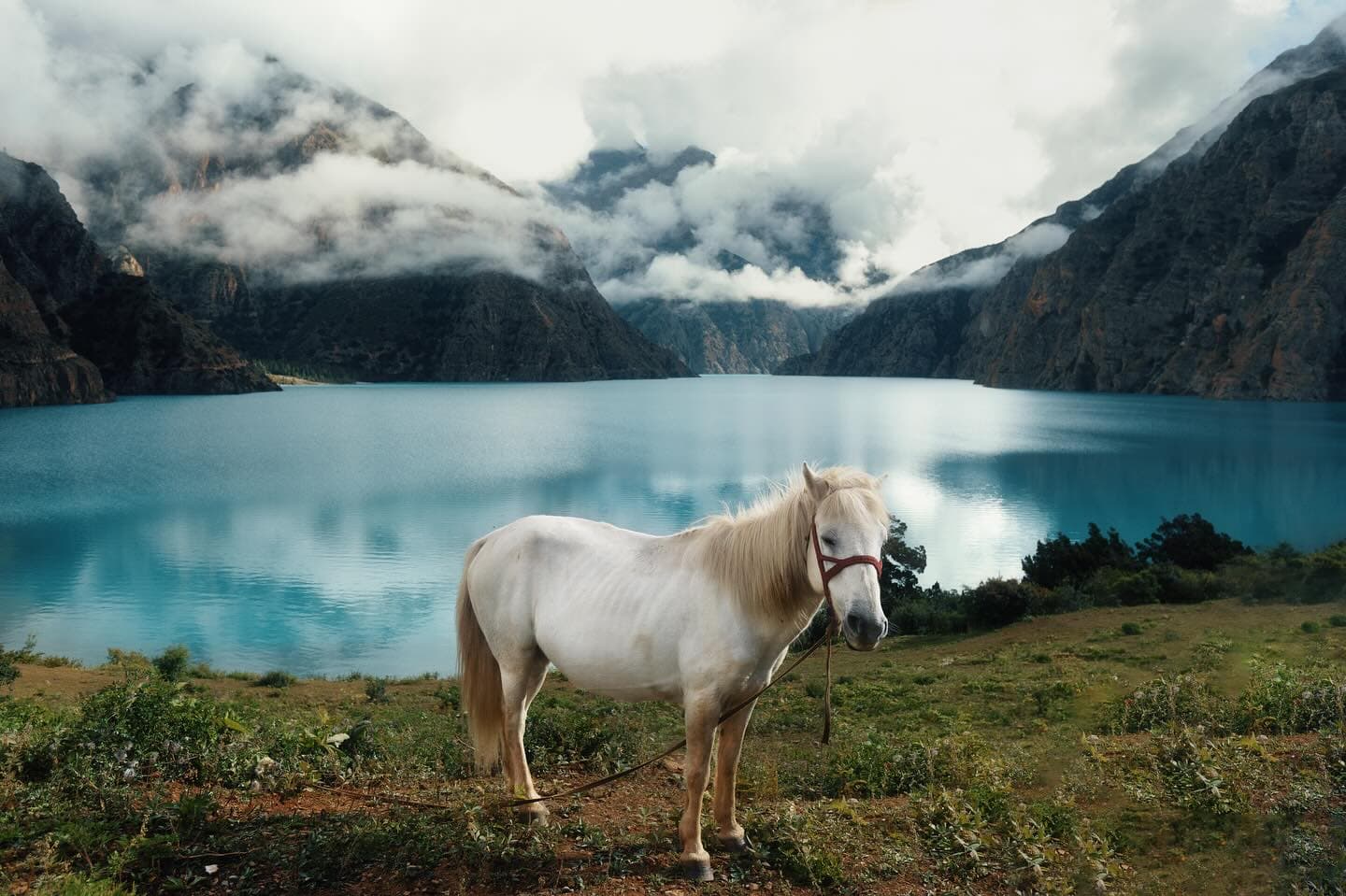
Nepal's deepest lake — surreal cobalt blue in the Tibetan high desert.
Shey Phoksundo in Dolpa District is Nepal's deepest lake (145m) and one of its most otherworldly landscapes. The lake's extraordinary blue colour — caused by dissolved minerals — is set against Tibetan Buddhist Bon culture and the dramatic rock formations of Upper Dolpo. Access requires a permit and is genuinely remote.
Shey Phoksundo is within the Dolpo restricted area — permits required. The Bon monastery at Ringmo village above the lake is one of Nepal's oldest active religious sites.
Adventure photographersBon religion explorersNepal's most serious trekkers145m depthCobalt blue waterBon religion
Nepal's sacred alpine plateau — the ashram of Khaptad Swami.
Khaptad National Park sits on a 3,000m plateau in far-western Nepal, where the saint Khaptad Swami (a former scientist who renounced the world in 1930) lived until 1996. The park's meadows, temperate forests, and medicinal plant communities are extraordinarily biodiverse — over 224 species of birds and 23 species of mammals.
Khaptad is accessible from Silgadhi (Doti) via a 2–3 day trek or a short flight to Chainpur. The plateau's herbal meadows are the source of many Himalayan medicinal plant exports.
Far-western Nepal's highest peak — completely off the tourist map.
Api Himal (7,132m) in Sudurpashchim Province is one of Nepal's least-visited trekking regions. The trail to base camp passes through pristine highland villages of the Humli and Byansi people, dense bamboo and rhododendron forests, and alpine meadows at 4,000m. Virtually no trekking infrastructure — true wilderness.
No established teahouses — camping is required. A guide and porter are essential. The Api-Nampa Conservation Area permit is needed. Among the most rewarding and least-known treks in Nepal.
Hardcore trekkersFar-western Nepal explorersSolitude seekers7,132m Api HimalZero touristsHumli communities
The world's largest swamp deer herd — Nepal's forgotten wildlife gem.
Shuklaphanta in Sudurpashchim Province protects the world's largest concentration of swamp deer (barasingha) — over 2,000 individuals. The vast open grasslands (phanta) also support Bengal tigers, wild elephants, and one of Nepal's richest bird communities. Almost no international visitors.
Shuklaphanta is Nepal's newest national park (2017). The lack of international recognition means virtually no tourist crowds — safaris feel like private game reserves. Nearest town: Dhangadhi.
Wildlife photographersOff-the-beaten-path travellersBirdersWorld's largest swamp deer herdBengal tigers2,000+ barasingha
Nepal's only hunting reserve — 1,325 sq km of pristine alpine wilderness.
Dhorpatan Hunting Reserve in Myagdi and Rukum districts sits at 3,500–5,000m, making it Nepal's highest protected area. Himalayan thar, blue sheep, and snow leopard inhabit the vast alpine meadows. The hunting reserve designation is a conservation tool — wildlife densities here are extraordinary.
Dhorpatan sees very few visitors. Snow leopard sightings are possible in winter (December–February). The reserve is accessed from Burtibang or Baglung by jeep, then trekking.
Dramatic gorges, stone villages, and unexplored trails.
Rukum and Rolpa districts in Karnali and Lumbini Province offer some of Nepal's most dramatic and least-visited highland terrain. The Jaljala Highland and surrounding valleys feature traditional Magar and Kham communities, deep gorges, and trekking routes that see fewer than 500 visitors per year.
The area is most naturally accessed from Surkhet or Pokhara. Local guides from the Kham Magar community provide authentic cultural experiences unavailable through Kathmandu agencies.
Cultural trekkersOff-the-beaten-path adventurersGorge trekkersJaljala HighlandMagar culture500 visitors/year
Nepal's most remote district — a Tibetan Buddhist world on the Tibet border.
Humla is Nepal's most remote district, bordering Tibet in the far northwest. The Limi Valley is home to three ancient Tibetan villages — Halji, Til, and Jang — preserving an almost entirely unchanged Tibetan culture. The nearby Mount Kailash pilgrimage route passes through this area. Access by a 40-minute flight to Simikot.
A restricted area permit is required for Limi Valley. The only access is by flight to Simikot. Teahouse infrastructure is minimal — be fully self-sufficient. One of Nepal's most extraordinary destinations.
The ancient capital of the Khas Kingdom — Nepal's forgotten history.
Jumla in Karnali Province was the capital of the Khas Kingdom, which ruled much of Nepal from the 11th–14th centuries. The town sits at 2,370m in a wide valley and is the gateway to Rara Lake. The surrounding villages preserve ancient Karnali culture — the original Nepali language evolved here.
Jumla grows chhyang rice — the highest-altitude rice cultivation in the world, at 2,370m. The local market sells Himalayan medicinal herbs at prices unavailable elsewhere in Nepal.
History enthusiastsCultural travellersRara trekkersKhas Kingdom capitalHighest-altitude riceKarnali culture
Seven UNESCO sites in one valley — living temples, medieval squares, and a city that never stopped praying.
Spiritual
19 / 50EasyYear-round (Maha Shivaratri festival in February is extraordinary)
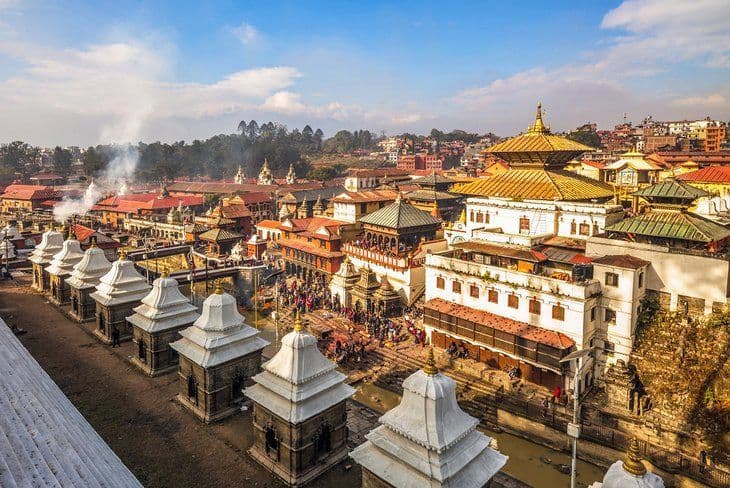
Pashupatinath Temple
The holiest Hindu temple in the world outside India.
Pashupatinath on the banks of the Bagmati River is one of the most sacred Shaivite temples in the world. The cremation ghats are open to visitors — witnessing a Hindu cremation ceremony here is one of the most profound experiences available to non-Hindu visitors. UNESCO World Heritage Site since 1979.
Non-Hindus cannot enter the main temple but can observe from the eastern bank of the Bagmati. Photography of cremations requires extreme sensitivity — many families prefer privacy.
Spiritual seekersCultural travellersFirst-time Nepal visitorsWorld's most sacred Shiva templeCremation ghatsUNESCO site
20 / 50EasyYear-round (Losar Tibetan New Year in February is spectacular)
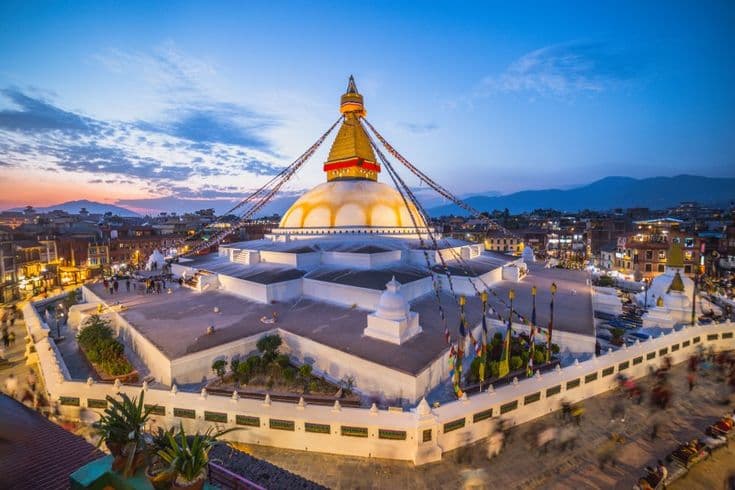
Boudhanath Stupa
The largest stupa in Nepal — the heart of Tibetan Buddhism outside Tibet.
Boudhanath is one of the largest Buddhist stupas in the world and the centre of the Tibetan Buddhist community in Nepal. The stupa's all-seeing eyes look out over a circular kora (circumambulation path) ringed by monasteries, thangka shops, and butter-lamp offerings. UNESCO World Heritage Site.
The best time to visit is early morning when monks and Tibetan pilgrims perform the morning kora. The mandala-shaped stupa represents the cosmos in Tibetan Buddhist cosmology.
Buddhist pilgrimsMeditation practitionersFirst-time Nepal visitorsOne of the world's largest stupasTibetan Buddhist communityUNESCO site
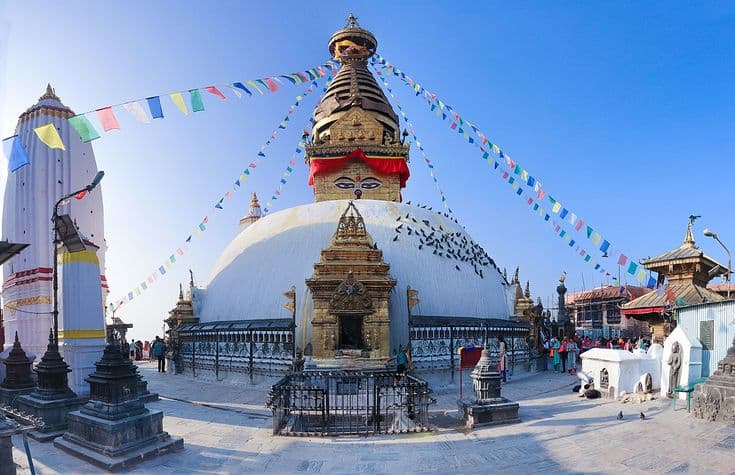
2,500-year-old hilltop stupa with panoramic Kathmandu Valley views.
Swayambhunath stupa sits atop a hillock west of Kathmandu, reached by 365 stone steps. At the top, the gilded spire rises above a complex of Buddhist and Hindu shrines, prayer flags, and resident rhesus monkeys. The panoramic view over the Kathmandu Valley is one of the city's best. UNESCO World Heritage Site.
Come at sunrise for the best Himalaya backdrop and cooler temperatures. The monkeys are numerous and bold — secure your belongings.
First-time Nepal visitorsPhotography enthusiastsSunrise seekers2,500 years oldKathmandu panoramaUNESCO site
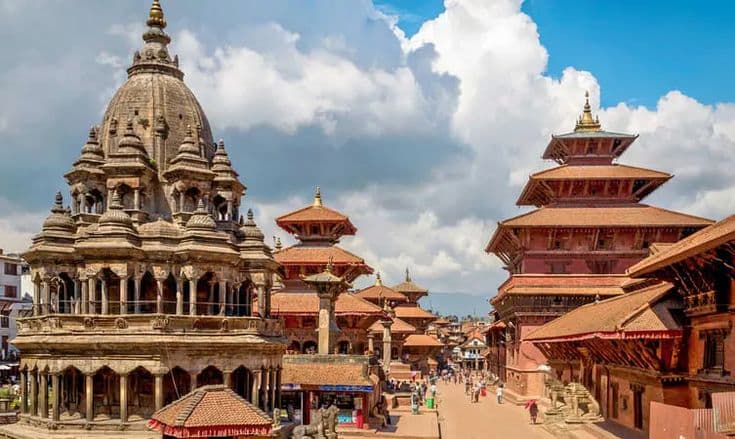
Patan (Lalitpur) Durbar Square is considered by many architects to contain the finest examples of Newari craftmanship in the world. The 17th-century royal palace, Krishna Temple, and surrounding medieval courtyards survived the 2015 earthquake better than Bhaktapur's square. The Patan Museum inside the old palace is exceptional.
The Patan Museum (inside the old palace complex) houses the finest collection of Hindu and Buddhist bronze sculpture in Nepal — do not skip it.
23 / 50EasyYear-round (Bisket Jatra festival in April is extraordinary)
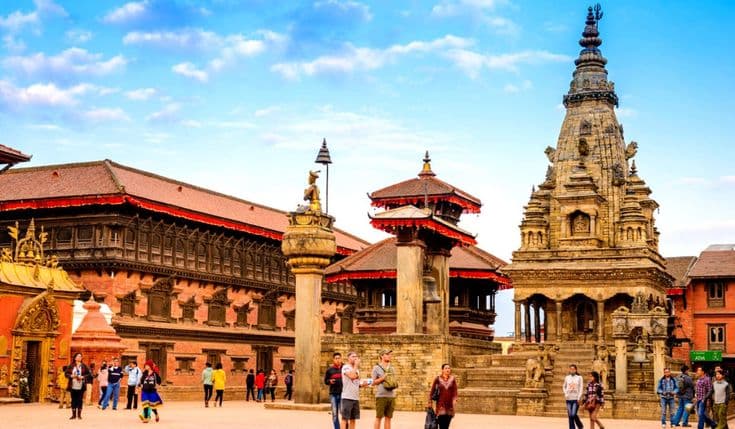
Bhaktapur Durbar Square
Nepal's best-preserved medieval city.
Bhaktapur is the best-preserved of the three medieval Newari kingdoms in Kathmandu Valley. The city's brick-paved streets, intact woodcarving tradition, and pottery workshops offer the most authentic ancient-city experience in Nepal. The 55-Window Palace and the Nyatapola Temple (5-storey, built 1702) are highlights.
Bhaktapur charges a tourism fee for entry. Worth it — the fee funds preservation of the city's extraordinary heritage.
Nepal's oldest temple — 5th-century Vishnu shrine with extraordinary stone carvings.
Changu Narayan on a hilltop east of Bhaktapur is Nepal's oldest surviving temple, with inscriptions dating to 464 CE. The temple compound contains some of the finest examples of ancient Licchavi stone carving in existence. UNESCO World Heritage Site. Relatively few international visitors compared to the more famous Patan and Bhaktapur squares.
The Garuda statue at the temple entrance is one of Nepal's most celebrated pieces of medieval stone carving. The hilltop village offers genuine local experience without tourist crowds.
Art history enthusiastsSculpture studentsOff-the-beaten-path Kathmandu visitorsNepal's oldest temple (5th century)Licchavi stone carvingsUNESCO site
25 / 50EasyOctober–February for clearest mountain views
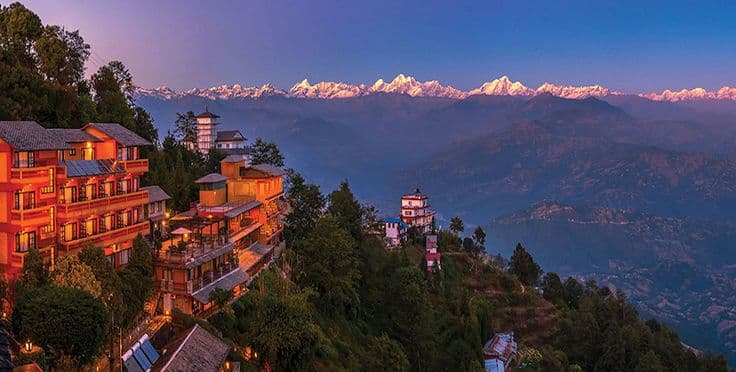
Nagarkot Sunrise View
The Himalayan sunrise view closest to Kathmandu.
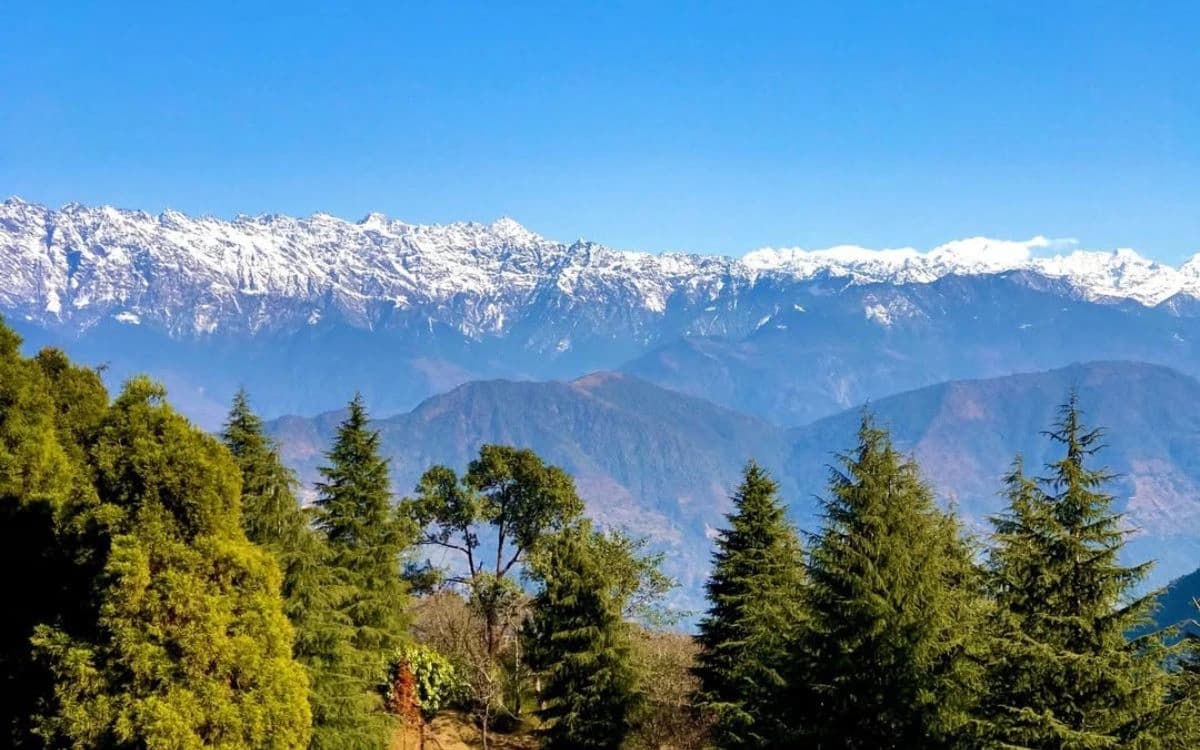
Nagarkot at 2,195m east of Kathmandu offers one of Nepal's most accessible Himalayan panoramas — on clear days the view extends from Dhaulagiri in the west to Everest and Kanchenjunga in the east. A 2-hour drive from Kathmandu makes it a popular overnight destination. The sunrise over 8+ Himalayan peaks is extraordinary.
Book accommodation at Nagarkot the night before for sunrise — the 2-hour drive from Kathmandu in darkness is not ideal. Himalaya views are most reliable in October–December.
First-time Nepal visitorsShort-stay Kathmandu guestsPhotography seekersEverest to Dhaulagiri panorama2,195m elevation2h from Kathmandu
The birthplace of the Buddha, cremation ghats on holy rivers, and shrines older than most nations.
Spiritual
26 / 50EasyYear-round (October–March is most comfortable)
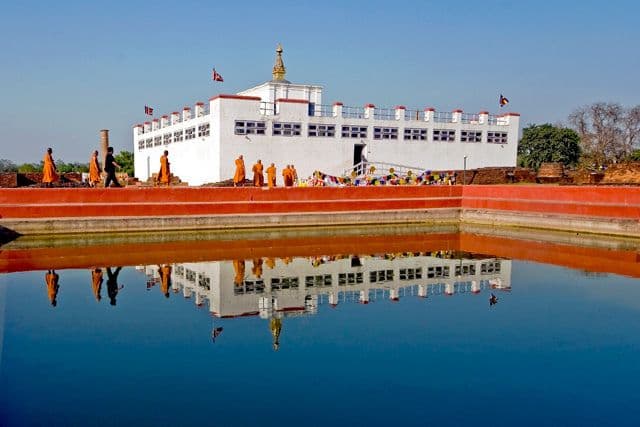
Lumbini — Buddha's Birthplace
The birthplace of Siddhartha Gautama — one of humanity's most sacred sites.
Lumbini in Rupandehi District was declared by UNESCO as the birthplace of the Buddha (born c. 563 BCE). The sacred garden contains the Maya Devi Temple, the Ashoka Pillar (erected 249 BCE), and the sacred pond where the Buddha's mother bathed. Surrounding the garden, over 30 countries have built monasteries, creating a remarkable international Buddhist complex.
Lumbini is a UNESCO World Heritage Site and one of the four sacred Buddhist sites (along with Bodh Gaya, Sarnath, and Kusinagara). The Japanese and Thai monasteries are architecturally extraordinary.
Buddhist pilgrimsSpiritual travellersHistory enthusiastsBuddha's birthplaceAshoka Pillar (249 BCE)30+ international monasteries
27 / 50ModerateYear–round (Jun–Sep via Mustang rain shadow)
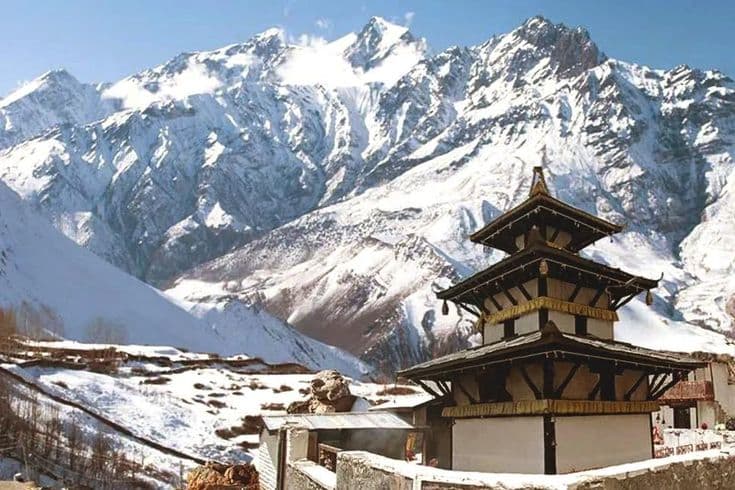
Muktinath Temple
Sacred to both Hindus and Buddhists — eternal flames burn at 3,710m.
Muktinath at 3,710m in Mustang district is one of the 108 Vishnu Divya Desams — one of the most sacred Hindu pilgrimage sites. The temple also holds deep significance for Tibetan Buddhists as the site of Jwala Mai — eternal natural gas flames that burn continuously from rock crevices alongside flowing water. This combination of fire and water at high altitude is considered miraculous.
Muktinath is reached via Jomsom (40-minute flight from Pokhara) plus a 1-day jeep ride or trek. The natural gas flame emerging from rock is a geological phenomenon — methane seeps through the Himalayan limestone.
Hindu pilgrimsBuddhist pilgrimsTrekkersSacred to Hinduism and Buddhism3,710m altitudeEternal natural flames
28 / 50ChallengingMarch–May, September–November (Janai Purnima in August for pilgrimage)
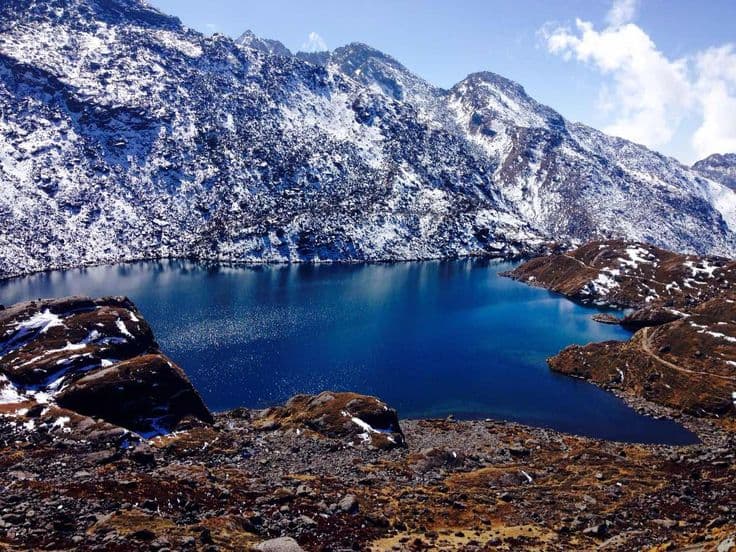
Gosaikunda Lake
Sacred Himalayan lake at 4,380m — pilgrimage destination for Shiva devotees.
Gosaikunda at 4,380m is a sacred glacial lake believed to have been created when Lord Shiva thrust his trident into the mountain to release water after drinking poison during the cosmic churning. The Janai Purnima festival in August draws tens of thousands of Hindu pilgrims who trek for 2–3 days to take a holy dip in the lake.
Gosaikunda can be combined with the Langtang Valley trek for an outstanding 10–12 day loop. The Lauribina Pass crossing at 4,610m is one of the most dramatic in Nepal.
Spiritual trekkersHigh-altitude hikersFestival visitors4,380m sacred lakeHindu pilgrimageJanai Purnima festival
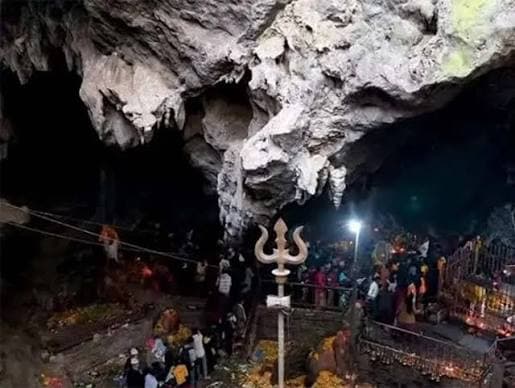
Nepal's Pashupatinath of the east — a sacred cave complex.
Halesi Mahadev in Khotang District is considered the most sacred Hindu site in eastern Nepal, sometimes called 'the eastern Pashupatinath'. The natural cave system contains ancient Shiva lingams formed by the cave's stalactites. The site is sacred to Rai, Limbu, and Hindu communities simultaneously — a remarkable convergence of traditions.
Halesi is largely unknown to international tourists but receives tens of thousands of domestic pilgrims during Shivaratri and Teej festivals. Extremely authentic pilgrimage experience.
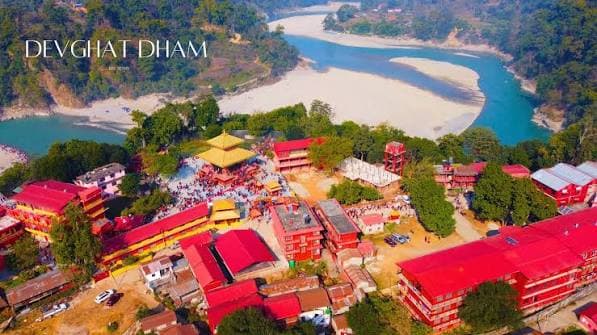
Confluence of sacred rivers — Nepal's retirement ashrams and cremation ghats.
Devghat at the confluence of the Trishuli and Kali Gandaki rivers in Chitwan district is one of Nepal's most sacred pilgrimage sites. The community of Hindu sadhus who retire here forms one of South Asia's most genuine ashram communities. Makar Mela (mid-January) draws over 100,000 pilgrims to bathe at the sacred confluence.
Devghat is easily combined with a Chitwan National Park visit — 30 minutes drive from Chitwan's Sauraha area. One of Nepal's most genuine sacred sites, largely untouched by tourism.
Where Prince Siddhartha grew up — the lost city of Kapilavastu.
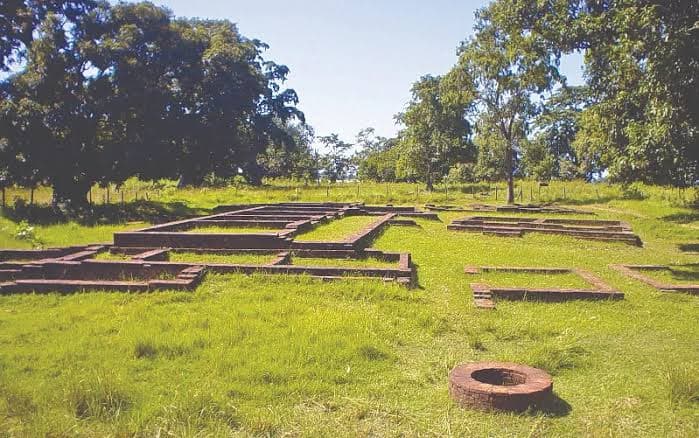
Tilaurakot near Lumbini is the archaeological site of ancient Kapilavastu — the capital of the Shakya kingdom where Prince Siddhartha Gautama (the future Buddha) grew up until age 29. Recent excavations have revealed palace structures, city walls, and artifacts dating to the 6th–4th centuries BCE. UNESCO Tentative World Heritage List.
Tilaurakot receives very few international visitors despite its extraordinary historical significance — combine with a Lumbini visit. The ongoing Indian Archaeological Survey excavations add a live-archaeology dimension.
Buddhist history enthusiastsArchaeology visitorsLumbini extensionBuddha's childhood homeKapilavastu ruins6th century BCE
Subtropical jungle at the Himalaya's feet — tigers, rhinos, elephants, and 900+ bird species.
Wildlife
32 / 50EasyOctober–March (wildlife most visible in dry season)
Chitwan National Park
Nepal's most famous wildlife park — Bengal tigers, rhinos, and elephants.
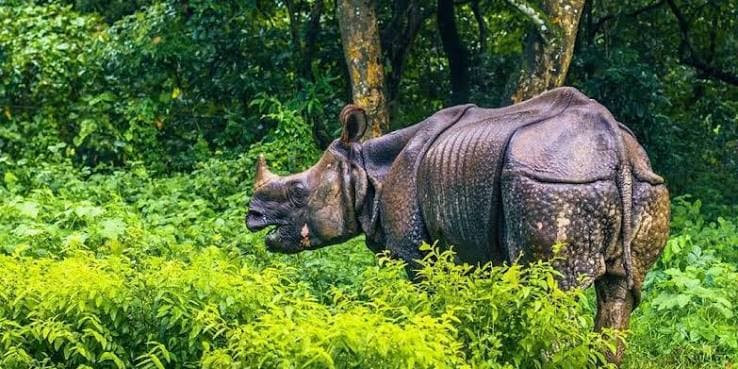
Chitwan National Park is Nepal's oldest national park and a UNESCO World Heritage Site. The park's 932 sq km of sal forest, grasslands, and river system supports approximately 68 Bengal tigers, 600+ one-horned rhinos, wild elephants, sloth bears, and over 500 bird species. Elephant grass stands 8m high in the floodplain.
Chitwan is significantly more crowded than Bardiya — for the same wildlife with fewer tourists, consider Western Nepal's Bardiya or Shuklaphanta. The canoe safari on the Rapti River is a highlight.
First-time wildlife safari visitorsFamiliesBirders68 Bengal tigers600+ one-horned rhinosUNESCO site
One of Asia's premier birdwatching sites — 500+ species at the Himalayan flyway.
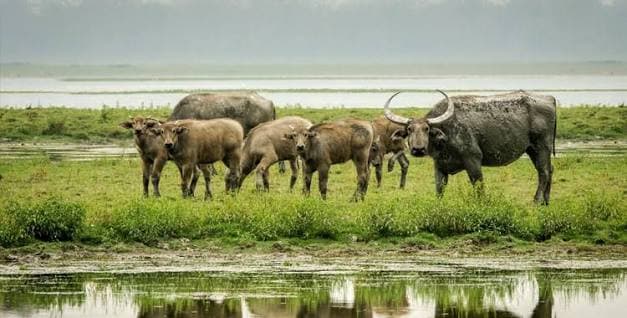
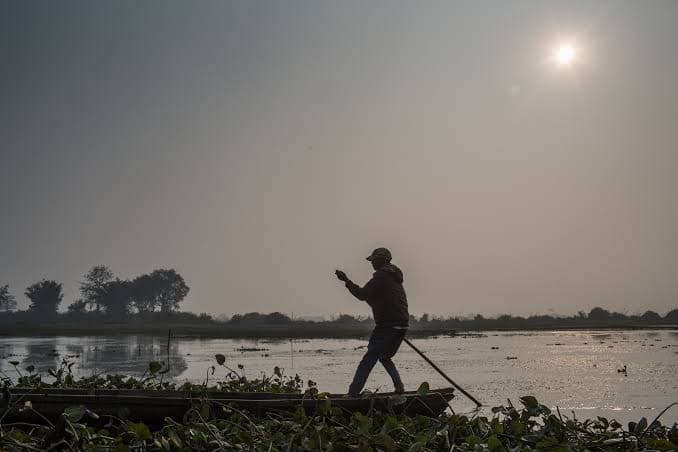
Koshi Tappu at the flood plains of the Koshi River in eastern Nepal is Nepal's most important wetland and a Ramsar site. Over 500 bird species have been recorded — including over 100 Critically Endangered species. The last surviving wild Asian water buffalo (arnah) survive here. Prime birdwatching from October–April.
Koshi Tappu is on the central Asian flyway — millions of migratory birds pass through from Siberia and Central Asia in October–November. Over 20 species of duck alone have been recorded here.
OrnithologistsWetland photographyWildlife specialists500+ bird speciesLast wild Asian water buffaloRamsar wetland
Nepal's newest national park — adjacent to Chitwan with none of the crowds.
Parsa National Park became Nepal's 10th national park in 2017 after years as a wildlife reserve. Directly adjacent to Chitwan National Park, Parsa shares wildlife populations but sees a fraction of the visitors. Tigers, leopards, sloth bears, and wild elephants roam freely through the sal forest buffer zone.
Parsa has very limited tourist infrastructure — stay in Sauraha (Chitwan) and arrange day safaris into Parsa through a local operator. Leopard sightings are more common here than in Chitwan proper.
Wildlife enthusiastsCrowd-avoidersChitwan extensionNepal's newest national park (2017)Adjacent to ChitwanLeopard sightings
Nepal's wild western Terai — tigers and rhinos with no tourist infrastructure.
Banke National Park in Banke and Salyan districts buffers Bardia National Park. The park is part of the Terai Arc Landscape — one of the world's most significant wildlife corridors connecting Nepal's Terai parks. Bengal tigers, one-horned rhinos, and gharials inhabit the park. Almost no international tourist visits.
Banke is accessed from Nepalgunj. The extreme lack of tourist infrastructure is both the challenge and the appeal — a genuinely wild safari experience with a local guide is extraordinary here.
Where Himalayan rivers meet the Gangetic plain — extraordinary birdwatching.
The Koshi Barrage and surrounding wetlands in eastern Terai form one of the most productive birdwatching areas in the Indian subcontinent. The wetland system supports dolphins (Gangetic platanista), mugger crocodiles, golden mahseer fish, and staggering concentrations of waterfowl during the winter migration.
The Gangetic river dolphin (platanista), one of the world's most endangered cetaceans, can be observed from the barrage. Very few international tourists visit — the area is primarily visited by specialist ornithologists.
Specialist birdersFreshwater biologistsEastern Nepal visitorsGangetic river dolphinsWinter waterfowl migrationMugger crocodiles
Shivapuri Nagarjun National Park directly borders Kathmandu and can be entered from multiple city points. The park's forests protect the watersheds feeding Kathmandu Valley and provide extraordinary day hiking within minutes of the city. Leopards, Himalayan black bears, and over 300 bird species inhabit the forest.
Shivapuri is the most accessible protected wilderness in Nepal — entrances at Sundarijal, Budhanilkantha, and Tokha are 30 minutes from Thamel. An excellent half-day escape from the city.
Day hikersKathmandu-based travellersBirdersKathmandu's doorstepDay hikingLeopards and bears
High-altitude sapphires and glacier-fed rivers — Nepal's water is as dramatic as its peaks.
Lakes
38 / 50EasyOctober–March for mountain reflections
Phewa Lake, Pokhara
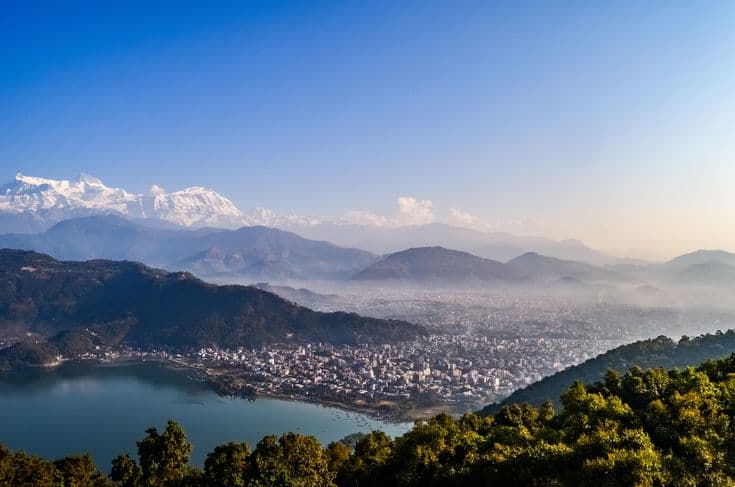
Nepal's most iconic lake — Annapurna reflected in still water.
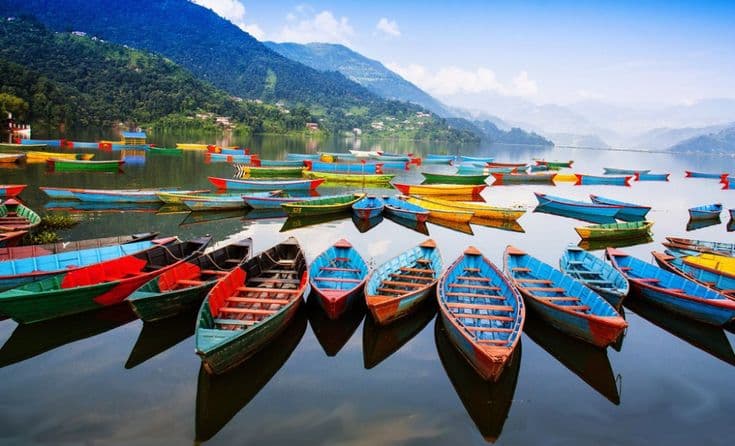
Phewa Lake is the centrepiece of Pokhara, Nepal's most popular tourist city. On clear mornings, the Annapurna massif and Machapuchare reflect perfectly in the lake's still surface. Boating, lakeside cafes, and the Tal Barahi temple on a small island make Phewa one of Nepal's most photogenic settings.
The Annapurna reflection in Phewa Lake is best at 6–8am before the wind disturbs the surface. Hire a boat from the Lakeside promenade — the rowing boats are quiet enough to approach birdlife.
All visitorsRelaxation seekersPhotographyAnnapurna reflectionTal Barahi templeLakeside restaurants
39 / 50ChallengingMay, October (limited season due to snow)
Tilicho Lake
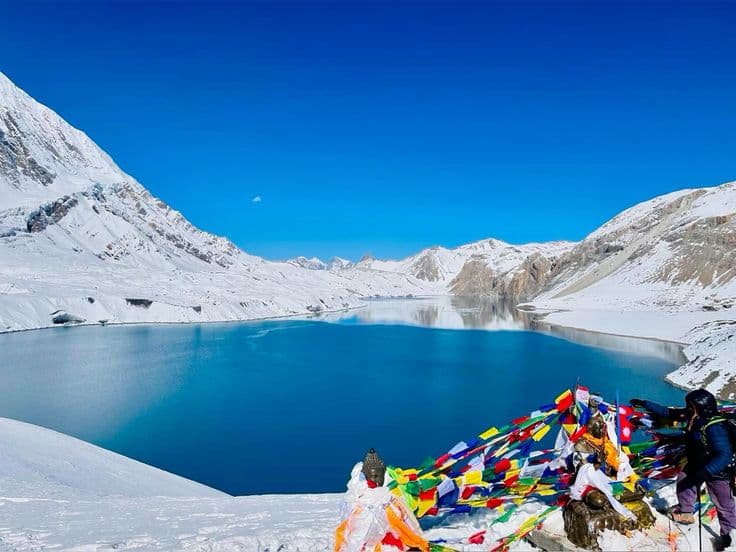
The world's highest lake — at 4,949m on the Annapurna Circuit.
Tilicho Lake at 4,949m is considered one of the world's highest lakes and is a detour from the Annapurna Circuit. The 8–10 hour return trek from Manang crosses barren alpine terrain to reach an extraordinary turquoise lake surrounded by the Annapurna range. A genuinely challenging but deeply rewarding day.
The avalanche path section on the approach from Manang requires careful timing — cross early in the morning before any afternoon solar warming loosens the snowfields above. A local guide is strongly advised.
Pokhara's quieter lake — fishing villages, birds, and no crowds.
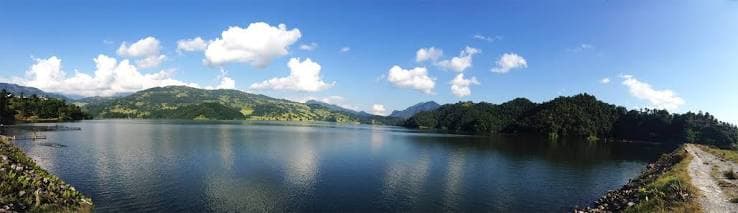
Begnas Lake, 15km east of Pokhara, is the second-largest lake in the Pokhara Valley and far quieter than Phewa. Fishing communities line its banks, and the hill above (Begnas hill) offers a panoramic view of the Annapurna range. An excellent alternative for travellers who find Lakeside Pokhara too busy.
Begnas is the starting point for the Khudi Valley trek — a short 2–3 day walk through traditional villages less visited than the main Annapurna routes. The fishing boats make extraordinary sunrise photography subjects.
Relaxation seekersBirdersCycling touristsQuiet alternative to PhewaFishing villagesCycling access
Nepal's most wild river — 5 days of Class IV–V white water in Western Nepal.
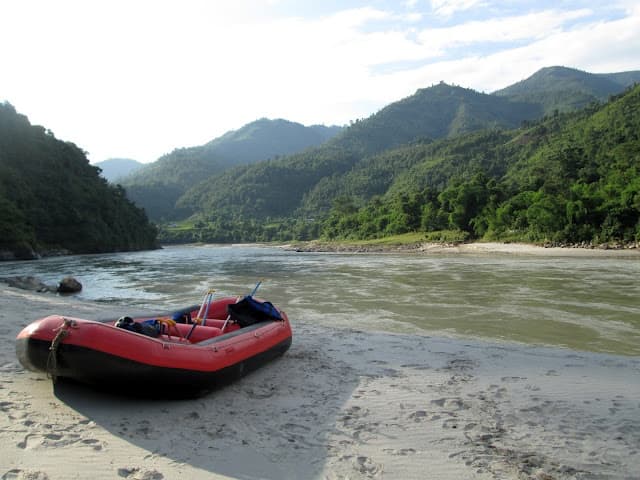
The Karnali River in Western Nepal is considered the most spectacular multi-day white-water rafting in Nepal. The 5-day section from Dunai (Dolpa) through the Karnali gorge passes Class IV–V rapids through pristine wilderness with zero road access, extraordinary bird life, and frequent fish eagle sightings. The final section through Royal Bardia is one of the great wildlife river journeys.
The Karnali River cannot be rafted independently — a licensed Nepal rafting agency is required. Combine with Bardiya National Park at the end for an extraordinary Western Nepal multi-activity itinerary.
Nepal's most accessible rafting — 1–3 days from Kathmandu.
The Trishuli River between Kathmandu and Chitwan is Nepal's most popular rafting river — a 1–3 day trip that can be combined with onward travel to Chitwan or Pokhara. Class III–IV rapids are suitable for first-timers while providing genuine excitement. A perfect day-one Nepal activity for travellers arriving with energy.
The Trishuli trip is often combined with the Seti River (lower difficulty) for a family-friendly alternative. Overnight camping on the riverbank (Grade III sections) is one of Nepal's most underrated budget experiences.
First-time raftersShort-trip visitorsKathmandu → Chitwan/Pokhara travellers1–3 days from KathmanduClass III–IV rapidsCombined with Chitwan travel
Pokhara's third lake — migratory birds and traditional fishing communities.
Rupa Lake is the smallest of Pokhara's three lakes and the most peaceful. The lake's reed beds attract migratory waterfowl from November to February, and the surrounding community of Gurung fishing families maintains traditional wooden boat crafts. A bicycle ride from Pokhara's Lakeside to Rupa takes 45 minutes through farms and villages.
The Rupa and Begnas lakes together form a wetland corridor that functions as a seasonal bird sanctuary. Cycling the circuit Phewa → Begnas → Rupa → Phewa is one of Pokhara's best half-day outdoor activities.
BirdersCycling touristsPokhara day-trippersMigratory waterfowlTraditional Gurung fishing45-min cycle from Pokhara
Lakeside serenity beneath 8,000m giants — Nepal's adventure capital and its gentlest views.
Cultural
44 / 50EasyYear-round (October–November for mountain clarity)
Pokhara Valley
Nepal's adventure capital — lakes, caves, and Annapurna views.
Pokhara is Nepal's second city and its adventure tourism capital — gateway to the Annapurna region and base for paragliding, ultra-long-distance MTB routes, and white-water rafting. The lakeside area has evolved into one of Asia's most pleasant traveller hubs, combining natural beauty with a vibrant café culture.
Pokhara Sarangkot offers one of Nepal's most famous mountain sunrise views — the Annapurna and Dhaulagiri ranges illuminated gold at dawn. The new Pokhara International Airport opened in 2023, with direct international connections being added.
All travellersAdventure sports enthusiastsYoga and wellness seekersAnnapurna gatewayParaglidingLakeside culture
Nepal's best short trek — 3 days, 3,210m, and extraordinary Himalayan views.
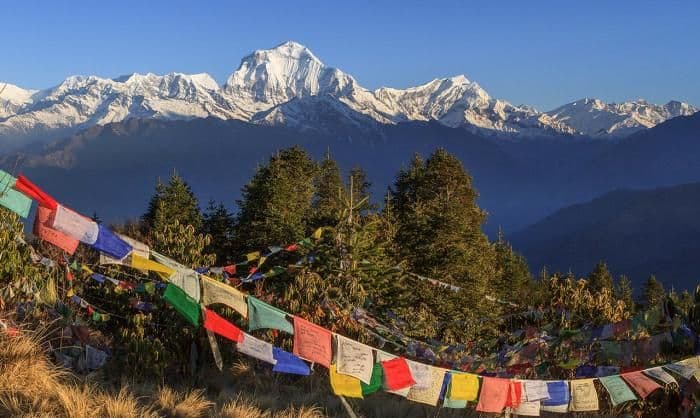
The Poon Hill trek from Nayapul to Ghorepani and back is Nepal's most popular short trek — a 3–4 day circuit that climbs to 3,210m for a 180° panorama of Dhaulagiri, Annapurna South, Annapurna I, Machapuchare, and Nilgiri. Perfect for first-time Himalayan trekkers or those with limited time.
Poon Hill requires an Annapurna Conservation Area permit (ACAP) and TIMS card — approximately $30 total. No restricted area permit needed. Guides are required since April 2023.
First-time trekkersShort-trip visitorsFamilies with fit teenagers3,210m viewpoint3–4 day circuitDhaulagiri and Annapurna panorama
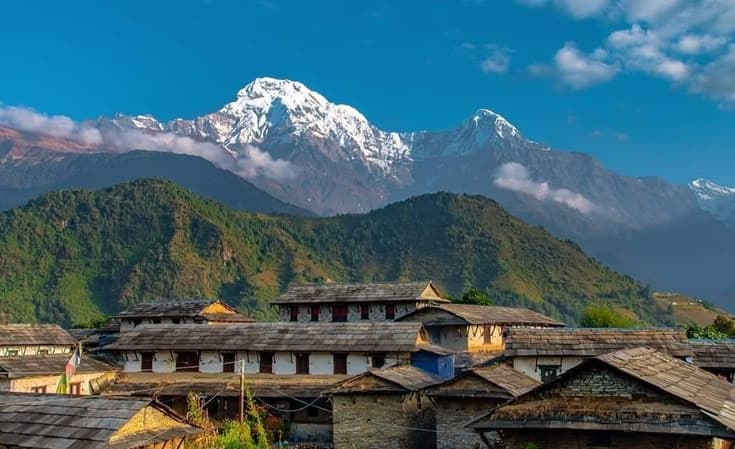
Nepal's most picturesque mountain village — Gurung culture at 1,940m.
Ghandruk is a large Gurung village at 1,940m in the Annapurna foothills with some of the most dramatic mountain views in Nepal. Stone-paved lanes, traditional Gurung houses, and a 360° Annapurna and Hiunchuli backdrop make it the most photographed village in the Himalayan region. 1–2 days from Pokhara by jeep and trekking.
Ghandruk has excellent community guesthouses managed by the Gurung community. The village museum documents Gurung military history — the Gurkha tradition originated in these hills. A 2-hour hike from Nayapul.
Culture travellersPhotography toursShort trek from PokharaGurung cultureAnnapurna viewsTraditional stone houses
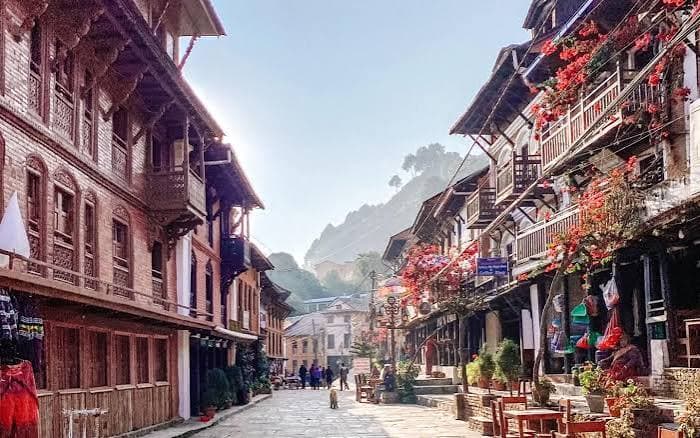
Nepal's best-preserved hilltop trading town — 19th-century Newari architecture.
Bandipur is a former trading post at 1,030m above the Marsyangdi valley, frozen in 19th-century Newari merchant architecture. The town was abandoned as a trading centre when the highway was built below and rediscovered by travellers in the 2000s. The pedestrian-only main street is lined with perfectly preserved merchant houses now converted to guesthouses.
Bandipur's old town is pedestrian-only — one of very few places in Nepal where the 19th-century streetscape is fully intact. The rooftop terraces of the old merchant houses offer Himalayan views that reward an overnight stay.
Nepal's most underrated palace — Prithvi Narayan Shah's strategic fortress.
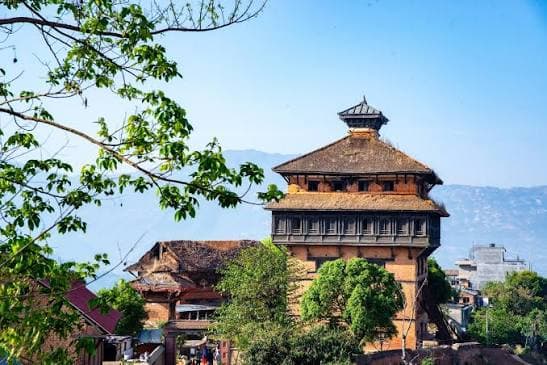
Nuwakot's seven-storey palace was built by Prithvi Narayan Shah (the unifier of Nepal) in 1762 and is one of Nepal's most important historical buildings. The palace stands in the market town of Nuwakot, 75km northwest of Kathmandu, overlooking the Trishuli river gorge. Few international visitors despite extraordinary historical significance.
Nuwakot is easily combined with a Trishuli River rafting trip — a 2-day Kathmandu circuit visiting the palace, white-water rafting, and the Devghat tirth on the return. 2 hours drive from Kathmandu.
History enthusiastsKathmandu day-trippersArchitecture loversSeven-storey 1762 palacePrithvi Narayan ShahTrishuli river views
10,000-year-old cliff dwellings in Nepal's most otherworldly landscape.
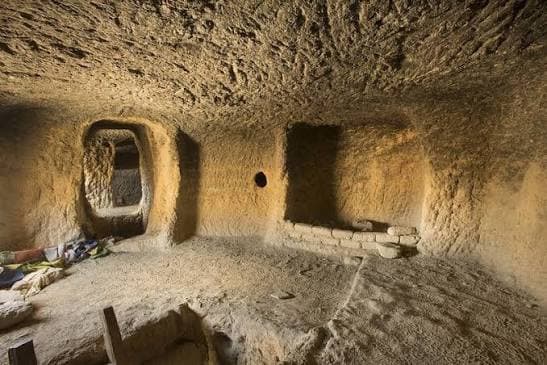
The Mustang region contains thousands of ancient cave dwellings carved into the ochre cliffs, some up to 14,000 years old according to carbon dating. The Sky Caves of Mustang — including the Luri Cave monastery complex and the Chungsi Cave — contain ancient murals that predate Tibetan Buddhism in Nepal. Lower Mustang (not restricted) contains the most accessible caves.
Lower Mustang's cave complexes (accessible without the restricted permit) include the Jharkot and Kagbeni monastery complexes. Upper Mustang's Sky Caves require the $500 restricted permit. Jomsom is the gateway.
Nepal's original tea region — Himalayan tea at the source.
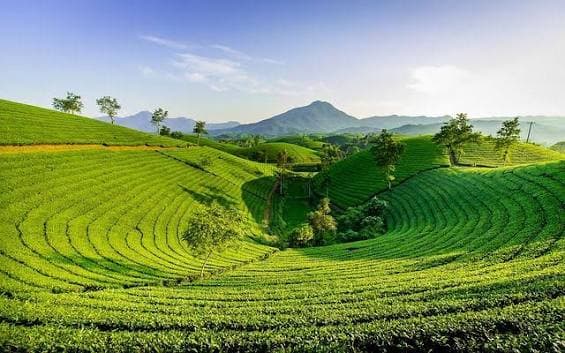
Ilam in eastern Nepal produces some of Asia's finest tea, grown at 1,200–2,000m in the Himalayan foothills of Taplejung and Ilam districts. The rolling green tea gardens, mist-shrouded hills, and traditional tea plucking culture offer a completely different Nepal experience from the Himalayan trekking circuit. The Kanyam and Mai Valley areas are extraordinarily scenic.
Ilam Orthodox tea — grown and processed in the traditional Darjeeling method — sells for $50–$150/100g internationally. Buying directly from the gardens at local prices is one of Nepal's great travel bargains.
Why Nepal Is the World's Best Uncovered Content Destination
While Bali and Thailand are saturated with creator content, Nepal's 50 greatest destinations are still largely undocumented — offering first-mover advantage, zero visual competition, and the kind of raw authenticity audiences are desperate to see.
📸Unique Angles
Zero Visual Saturation
Rara Lake, Shey Phoksundo, Nar Phu Valley — extraordinary locations that have barely been filmed. Your audience won't have seen them before. No comparison content means your shots define the benchmark.
🐅Wildlife Content
Wildlife That Rivals Africa — at 10% of the Cost
Bardiya National Park has a higher tiger density than most African safari parks, costs a fraction of Kenya or Tanzania, and sees fewer than 5,000 international visitors per year. Tiger content from Bardiya is genuinely rare.
⛰Visual Variety
Altitude Range No Other Country Matches
From subtropical jungle at 80m (Chitwan) to 5,364m Everest Base Camp — all within one country. One trip gives you jungle, highland village, alpine desert, and Himalayan glacier content.
🪔Cultural Access
Authentic Ceremony Access
Hindu cremation at Pashupatinath, Buddhist morning puja at Boudhanath, Bon rituals in Dolpo, jhankri healing ceremonies in Karnali — Nepal's spiritual life is public and accessible in ways that no longer exist elsewhere in Asia.
🌿Trend Timing
Wellness Year 2027 — Get Here Before the Wave
Nepal is the official host of Nepal Wellness Year 2027 (UN-backed). Creator content produced now — Vipassana retreats, Ayurveda, high-altitude yoga — will rank when search volume spikes in 2026–27. First-mover SEO value is significant.
🤝Creator Support
Local Fixer Network & Press Partnerships
We work with creators directly — logistics, permits, local guides who speak English, restaurant contacts, and helicopter/flight bookings for remote locations. Reach out to discuss press trips and collaboration.
Planning a Nepal Creator Trip?
We arrange press trips, itinerary logistics, restricted-area permits, and local guide matchmaking for travel creators. Remote locations like Rara, Dolpo, and Humla require advance planning — reach out early.
Beauty is subjective, but Rara Lake in Western Nepal — a turquoise high-altitude lake at 2,990m surrounded by pristine forest with almost no tourists — is frequently cited by seasoned Nepal travellers as the single most beautiful place in the country. Annapurna Base Camp and Upper Mustang are close seconds.
What is the best time to visit Nepal?
October and November offer the clearest skies, best mountain visibility, and most comfortable trekking temperatures — this is Nepal's peak season. March to May (spring) is the second-best window, famous for rhododendron forests in bloom. Avoid the June–September monsoon for trekking, though Upper Mustang and Dolpo are accessible year-round thanks to their rain-shadow location.
Is Nepal safe to visit?
Nepal is consistently rated one of the safest countries in Asia for international travellers. The Nepali people are renowned for their hospitality. Common-sense precautions apply as anywhere — altitude sickness is the main medical risk for trekkers. The country has a dedicated tourist police unit and well-established trekking infrastructure in the major regions.
How many days do you need in Nepal?
10–14 days allows a meaningful Nepal trip — enough for Kathmandu Valley sightseeing plus one major trekking region (Annapurna or Everest foothills) or a wildlife safari in Chitwan or Bardiya. Three weeks lets you combine two trekking regions or add a Western Nepal adventure. For a full exploration of Nepal, 3–4 weeks is ideal.
Do you need a visa for Nepal?
Most western nationals (USA, UK, EU, Canada, Australia) receive a Visa on Arrival at Tribhuvan International Airport, Kathmandu. Fees: $30 for 15 days, $50 for 30 days, $125 for 90 days. You can also apply online at the Nepal immigration portal before departure to save time at the airport. Citizens of India do not need a visa.
What is the best Nepal trekking route for beginners?
The Poon Hill trek (3–4 days, 3,210m maximum elevation) from Pokhara is Nepal's best beginner trek — manageable altitude, outstanding Annapurna and Dhaulagiri views, and well-serviced teahouses throughout. The Langtang Valley trek (7–8 days) is another excellent beginner option, accessible from Kathmandu. Both routes require an ACAP permit and guide (mandatory since 2023).
Is Nepal expensive to travel?
Nepal is one of Asia's best-value destinations for international travellers. A budget backpacker can live well on $25–40 per day (teahouse trekking, local dal bhat, shared jeeps). A comfortable mid-range trip runs $70–120/day. Luxury accommodation, private guides, and internal flights push costs to $200–400/day. The main unavoidable expense is the international flight to Kathmandu.
What are the most underrated places to visit in Nepal?
Rara Lake, Shey Phoksundo, Bardiya National Park, Upper Mustang, and the Humla region are consistently cited as Nepal's most underrated destinations by experienced Nepal travellers. All five offer extraordinary experiences with very few international tourists. Nar Phu Valley and the Kanchenjunga region are favourites among trekkers who have done the classic routes.
Can you see Mount Everest without trekking?
Yes. The 'Everest Mountain Flight' — a one-hour small-plane tour departing Kathmandu every morning — flies along the Everest range and offers extraordinary close-up views of Everest and surrounding 8,000m peaks. From Kathmandu, Nagarkot (2 hours by road) offers a distant panorama including Everest on clear days. Lukla (accessible by 35-minute flight) provides spectacular Himalayan views without trekking.
What is special about Western Nepal for tourists?
Western Nepal (Karnali and Sudurpashchim provinces) is Nepal's most authentic and least-touristed region. Key highlights include Rara Lake (Nepal's largest lake, almost no tourists), Bardiya National Park (Nepal's best tiger habitat), Khaptad National Park (spiritual highland plateau), and the ancient Karnali culture. The region is connected to Nepal's Wellness Tourism Strategy and Nepal Wellness Year 2027 — positioning it as Asia's leading wellness destination.
What wildlife can you see in Nepal?
Nepal's wildlife includes Bengal tigers (most visible in Bardiya and Chitwan national parks), one-horned rhinos (over 700 individuals, mainly Chitwan and Bardia), Asian elephants, snow leopards (winter, mainly Manaslu and Dolpo), Himalayan red pandas, gharials and mugger crocodiles, and over 900 bird species — making Nepal one of Asia's top birdwatching destinations. The Koshi Tappu wetland hosts 500+ bird species on the central Asian flyway.
Is Lumbini worth visiting?
Lumbini is one of Buddhism's four most sacred sites and a UNESCO World Heritage Site — the birthplace of Siddhartha Gautama (the Buddha). For any traveller with an interest in Buddhism, history, or world heritage, it is absolutely worth the 5-hour drive or 30-minute flight from Kathmandu. The Japanese Peace Pagoda, Maya Devi Temple, and Ashoka Pillar (249 BCE) are extraordinary. Combine with Tilaurakot (ruins of ancient Kapilavastu) for a full day.
What is Nepal's best wildlife safari: Chitwan or Bardiya?
Both are exceptional, but they offer different experiences. Chitwan is more accessible from Kathmandu (5 hours by road), more developed, and offers the best-known Nepal wildlife experience — one-horned rhinos, elephants, and good tiger sightings. Bardiya is more remote (1-hour flight from Kathmandu to Nepalgunj), wilder, and has a higher density of Bengal tigers with far fewer tourists — making individual tiger sightings more frequent and the experience more intimate. Serious wildlife photographers and safari veterans consistently prefer Bardiya.
What permits do trekkers need in Nepal?
All trekkers in Nepal need the TIMS card (Trekkers Information Management System, $20). The Annapurna region requires an ACAP permit ($30); Everest region requires a SAARC fee ($20 for South Asian nationals) plus national park entry ($35). Restricted area permits for Manaslu, Upper Mustang, Nar Phu, and Humla cost $90–500 depending on the area and duration. These are obtained through a licensed trekking agency (mandatory for restricted areas).
What food should you try in Nepal?
Dal Bhat (lentil soup, rice, vegetable curry, pickles) is Nepal's national dish and the trekker's fuel — eaten twice daily by most Nepalis. Sel Roti (sweet rice doughnut) is a festival essential. Momo (Tibetan dumplings, steamed or fried) are the most popular snack in Kathmandu. Thukpa (Tibetan noodle soup) is perfect in cold mountain weather. Tongba (millet beer, Eastern Nepal) and Chang (barley beer, Tibetan regions) are the traditional local drinks.
Can I trek solo in Nepal?
Solo trekking in Nepal's major regions (Everest, Annapurna, Langtang) is technically possible with a TIMS card. However, from April 2023, the Nepal Tourism Board made licensed guides mandatory for all trekkers in major trekking regions — both for safety and to support the local guiding industry. Restricted area permits (Manaslu, Upper Mustang, Humla, etc.) have always required a licensed guide and could not be done independently. Hiring a guide significantly enhances the cultural experience.
How do I get to Rara Lake in Western Nepal?
The easiest route to Rara Lake is a 40-minute flight from Kathmandu or Nepalgunj to Talcha airport (Jumla), followed by a 2-day trek to the lake. An alternative is flying to Jumla and trekking 3 days. There is no road access to the lake itself — which is partly why it remains so pristine. Build flexibility into your itinerary: Talcha's small airstrip operates on visual flight rules only and is frequently weather-delayed.
What is Nepal Wellness Year 2027?
Nepal Wellness Year 2027 is a nationally designated year promoting Nepal as the world's premier wellness tourism destination, announced at the inaugural International Wellness Day celebration (April 15, UN-designated) at Tundikhel, Kathmandu. The year builds on Nepal's existing wellness heritage — Vipassana, Ayurveda, yoga, Himalayan herbal medicine — and is backed by the Nepal Tourism Board's formal Wellness Tourism Strategy. Early booking is recommended as demand for small-group wellness retreats in remote areas will be high.
What are Nepal's UNESCO World Heritage Sites?
Nepal has 10 UNESCO World Heritage Sites: Kathmandu Valley (comprising Pashupatinath, Boudhanath, Swayambhunath, Patan Durbar Square, Bhaktapur Durbar Square, Changu Narayan, and Changunarayan); Sagarmatha National Park (Everest region); Chitwan National Park; and Lumbini (birthplace of the Buddha). Nepal also has several sites on the UNESCO Tentative List, including Tilaurakot and Rara National Park.
Is Nepal good for family travel?
Nepal is excellent for family travel. Poon Hill (3–4 days), Ghorepani, Ghandruk, and Nagarkot are all accessible to families with fit teenagers. Chitwan National Park safari is universally suitable. Kathmandu's cultural sites — Boudhanath stupa, Pashupatinath, Bhaktapur Durbar Square — are fascinating for children and adults alike. The Nepali people are exceptionally warm with children. For families with young children, staying in Kathmandu or Pokhara and doing day excursions is the most comfortable base.
Our local team builds custom itineraries from any of these 50 destinations — trekking, wildlife, wellness, or cultural tours. Small groups, vetted local guides, free cancellation.
 Trekking