
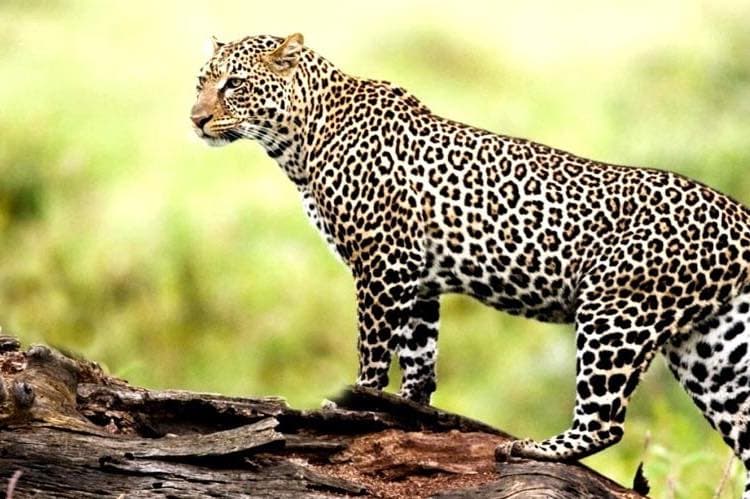
Shuklaphanta is a 305 sq km national park in the far south-western corner of Nepal, in Kanchanpur District, Sudurpashchim Province. Its centre is a vast open grassland, the phanta that gives the park its name, and the herd of swamp deer that grazes it is the largest gathering of the species anywhere. The park entrance is a few kilometres from Bhimdatta, better known as Mahendranagar.
Getting there and getting in
This is the easiest of the far-western protected areas to reach. Dhangadhi airport takes daily flights from Kathmandu and sits roughly two hours away by road along the East-West Highway; Bhimdatta is the last town before the Indian border at Gaddachauki. From Bhimdatta the park headquarters at Majhgaun is a short drive, and permits are issued there rather than online or in Kathmandu.
Entry is charged per person per day at separate rates for foreign visitors, SAARC nationals and Nepalis, with a further charge for a vehicle and a guide. You cannot enter without a guide, and jeep hire is arranged either at the gate or through a lodge in Bhimdatta. Half a day is the common booking; a full day is better, because the drive out to the main phanta and back eats the middle of any short visit.
Shuklaphanta at a glance
| Area | 305 sq km, plus a buffer zone of about 244 sq km |
| Status | Wildlife reserve from 1976, upgraded to national park in 2017 |
| District and province | Kanchanpur, Sudurpashchim |
| Elevation | Roughly 90 to 270 m, Terai lowland |
| Headquarters | Majhgaun, near Bhimdatta (Mahendranagar) |
| Nearest airport | Dhangadhi, about 2 hours by road |
| Best season | October to March, with the largest deer herds in spring |
| Signature species | Swamp deer, Bengal tiger, wild elephant, Bengal florican |
| Birds recorded | More than 400 species |
The phanta, and why it matters
Most of Nepal's wildlife viewing happens in forest, where you see an animal for four seconds through a gap. Shuklaphanta is the exception. The main phanta is an open grassland big enough that you can glass across it, and on a good morning the swamp deer are visible as a moving line rather than as individuals. Counts have run past two thousand animals in a single gathering, which is the reason biologists come here at all.
The best of it is in spring, when the deer gather on the open ground and the herds are at their densest and noisiest. The annual grass cut is the other thing worth timing around: local communities are permitted a short window each year, in the cool months, to cut and carry thatch grass, and once the tall grass is down, sightlines across the park improve dramatically for the following weeks.
What else lives here
Tigers are present and monitored, though the park is not managed as a tiger-viewing destination the way Bardiya is, and sightings are a matter of luck rather than of odds you can improve by booking longer. Wild elephants move through, including some large bulls with a local reputation. Hispid hare and Bengal florican, both scarce, are among the reasons the grassland is protected at all.
For birders this is a serious destination. More than 400 species have been recorded, the grassland specialists are the draw, and the wetlands hold waders and wintering wildfowl from November. Rani Tal, an oxbow lake inside the park with a viewing tower, is the single best stop and worth building the itinerary around. Our birdwatching guide covers what to expect across the country, and the swamp deer guide goes into the ecology of the herd.
When to come
October to March is the season. October and November give comfortable temperatures and good bird numbers as migrants arrive. December and January are cold at dawn and often foggy until mid-morning, which ruins early game drives more than people expect. February and March are the best combination of cut grass, clear air and large herds on the phanta. April and May are hot and dusty but productive around water; the monsoon closes tracks and the park largely shuts down for visitors.
Where to stay
Accommodation is in Bhimdatta, not inside the park, and it is functional rather than scenic. There is a small cluster of lodges and homestays near the headquarters and a wider choice of hotels in town. Nobody has yet built a safari lodge here of the kind Chitwan has, which is the honest reason this park stays empty and also the reason a visit costs a fraction of what one there does.
Plan two nights if you can. One full day inside the park and a second morning at Rani Tal is a better use of the journey than a rushed half-day. The Kailali and Kanchanpur district guide covers the surrounding area, including Ghodaghodi Lake an hour east, and the Shuklaphanta article tells the longer story of how the reserve was created and what it took to protect the grassland.
Frequently Asked Questions
How do you get to Shuklaphanta National Park?
Fly to Dhangadhi from Kathmandu, then drive about two hours west along the highway to Bhimdatta. The park headquarters at Majhgaun, where permits are issued, is a short drive from the town.
Do you need a guide inside the park?
Yes. Entry is only allowed with a licensed guide, and most visitors also hire a jeep at the gate or through a lodge. Permits are bought at the headquarters, charged per person per day.
When is the best time to see the swamp deer?
Spring, when the herds gather on the open phanta, gives the largest concentrations. The weeks after the annual grass cut are also good, because sightlines open up once the tall grass is down.
Are you likely to see a tiger at Shuklaphanta?
Tigers live here and are monitored, but sightings are uncommon and the park is not managed for tiger tourism. Come for the grassland, the deer and the birds, and treat a tiger as a bonus.
Can you stay inside the national park?
No. Accommodation is in Bhimdatta and the villages near the headquarters, ranging from homestays to ordinary town hotels. There is no safari lodge inside the boundary.
Is Shuklaphanta worth visiting if you have already seen Chitwan?
Yes, because the experience is different rather than smaller. Chitwan is forest and river; Shuklaphanta is open grassland with long sightlines, far fewer vehicles and a species you will not see in numbers anywhere else.