About the Khaptad Trek
Khaptad National Park is one of Nepal's most unusual protected areas. Unlike most Himalayan parks, Khaptad features a vast rolling plateau at 3,000m — reminiscent of the Scottish Highlands but wrapped in Himalayan wilderness. The 225 km² park protects over 270 species of bird, 23 species of mammal (including leopard, bear, and deer), and 224 species of medicinal plants that have been harvested and documented since the 1970s when a Hindu saint, Khaptad Baba, lived here for decades.
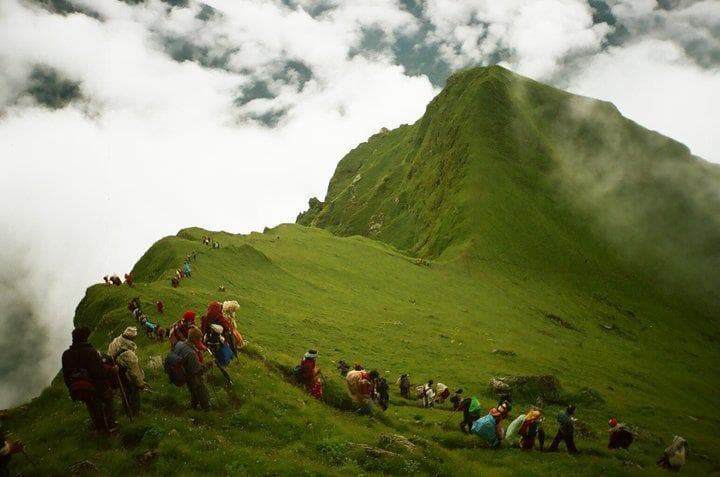
The spiritual dimension of Khaptad is significant. The Khaptad Ashram — a simple hermitage maintained by a Hindu saint — remains a pilgrimage destination. The Tribeni confluence of three rivers within the park is considered sacred by Hindus and is visited during major festivals. Walking here has a meditative quality distinct from the adrenaline of higher-altitude treks.
Getting There
Khaptad is accessed most easily via Silgadhi (Doti district headquarters) or from Sanfebagar in Achham district. The nearest airports are Dipayal (Doti) or Sanfebagar, reached via flights from Nepalgunj. From Dipayal, it is a 1–2 day walk into the park. Alternatively, a road journey from Dhangadhi to Silgadhi (8–10 hours) connects by bus.
What Makes Khaptad Unique
Most visitors to Western Nepal focus on high-altitude technical treks. Khaptad offers something genuinely different: a high-altitude plateau walk that is accessible to moderately fit trekkers without specialist equipment. The park sees very few foreign visitors — fewer than 2,000 per year — making it one of the least-visited national parks in South Asia relative to its size and quality.