strenuous

Api Base Camp Trek

4,600m 1014 days Sudurpashchim Province
Max Altitude 4,600mDuration 1014 daysDifficulty strenuousBest Season October–November, April–MayStart Darchula (Sudurpashchim)Permit USD 20+
All Trekking Routes

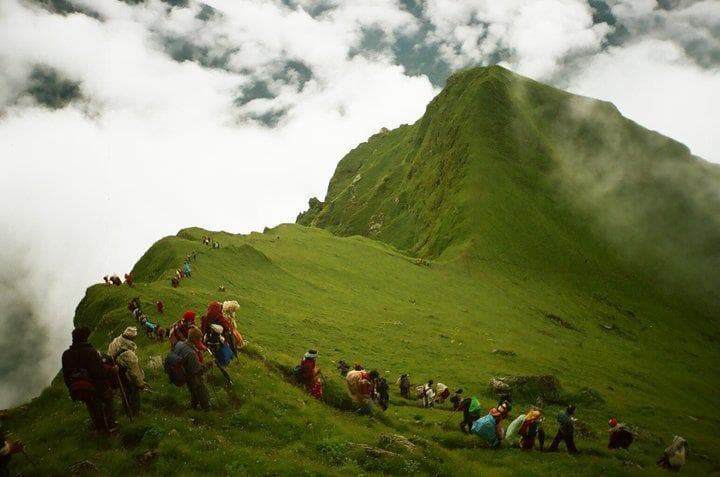
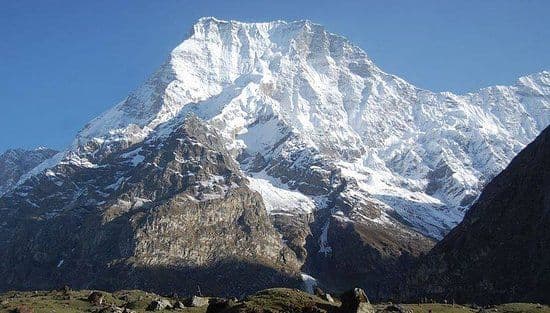
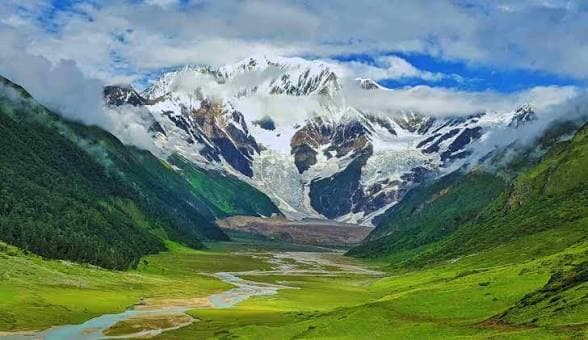
The Api Base Camp trek approaches the base of Api Himal (7,132m), Nepal's westernmost 7,000m peak, in the remote Darchula district of Sudurpashchim Province. This strenuous 10–14 day route reaches 4,600m through dense oak forests, glacial moraines, and high alpine meadows with panoramic views along the Nepal-India border.

Trek Highlights

  • Api Himal (7,132m) — Nepal's westernmost 7,000m peak, close-range
  • Virtually no other foreign trekkers — genuine wilderness
  • Dramatic transition from subtropical to alpine landscape
  • Views across the Nepal-India-Tibet tripoint area
  • Ancient Dharchula villages and Byans valley culture
  • Glacial moraines and high alpine meadows above 4,000m

Permits & Logistics

Required permit: TIMS Card + Local Conservation Area Permit

Cost: from USD 20 per person

Trailhead: Darchula (Sudurpashchim) (fly Kathmandu → Nepalgunj, then onward flight)

We handle all permit logistics for guests. Contact us to confirm current costs.

About the Api Base Camp Trek

Api Himal (7,132m) is the highest peak in the Sudurpashchim (Far Western) Province of Nepal — a bold pyramid of rock and ice sitting at the convergence of the Nepal-India border and the Tibetan plateau. The base camp trek to Api is one of Nepal's least-trodden high-altitude routes. You are unlikely to meet another foreign trekker on most days. The landscape transitions from subtropical river valleys in the Kali Gandaki system to dense Himalayan oak and rhododendron forests, then to open moraines and glacier approach routes.

The approach to Api Base Camp was documented in Tilman and Shipton's 1950s Himalayan explorations and later by the first successful summit team in 1960. Today the area remains one of Nepal's most authentic trekking destinations: raw, remote, and genuinely challenging.

Getting There

The usual access is via domestic flight from Kathmandu to Dhangadhi (2 hours), then a road journey (4–6 hours depending on road condition) to Darchula near the Indian border. From Darchula, the trek begins. Alternatively, a mountain flight to Chainpur is sometimes available, shortening the road journey. The trek itself starts from Khalanga (Darchula HQ) or Gokule village depending on the route taken.

Route Options

The standard Api Base Camp route follows the Chamliya River north from Darchula, ascending through Bhuti, Lapcha, and the rhododendron forests above. A longer variant crosses into the Saipal region, creating a circuit. The final approach to base camp crosses glacial terrain that requires good footwear and trekking poles. The base camp itself sits at approximately 4,600m with close-range views of Api's summit pyramid and satellite peaks.

Permits

The Darchula district does not currently have a restricted area permit requirement for trekking (unlike Dolpa or Humla), but TIMS cards and a National Park entry fee apply. We handle all permit logistics.
Day-by-Day Itinerary

  1. 1

    Fly Kathmandu → Dhangadhi, drive to Darchula

    895m

    Domestic flight to Dhangadhi (2 hrs). Road transfer to Darchula (4–6 hrs on mountain road). Overnight in Darchula.

  2. 2

    Darchula → Khalanga → Gokule

    1,200m

    Trek begins from Khalanga, crossing the Mahakali River and ascending into forest. 5 hours to Gokule village.

  3. 3

    Gokule → Bhuti

    2,100m

    The trail enters dense oak and rhododendron forest, ascending steadily along the Chamliya River. 6 hours. First views of Api's summit.

  4. 4

    Bhuti → Lapcha

    2,800m

    Continued ascent through Himalayan forest. The vegetation thins. Views of high ridges to the north. 6 hours. Teahouse in Lapcha.

  5. 5

    Lapcha → High camp

    3,500m

    Trail climbs above the treeline into open alpine terrain. Spectacular views back down the valley. 5 hours. Camp at 3,500m.

  6. 6

    High camp → Api Base Camp

    4,600m

    Crossing glacial moraine and snowfields to reach Api Base Camp at 4,600m. Close-range views of Api's north face. Camping.

  7. 7

    Rest day at base camp

    4,600m

    Full day at Api Base Camp. Explore the glacier, photograph the peak, and acclimatise. Optional: walk toward advance base camp approach.

  8. 8

    Begin descent to Lapcha

    2,800m

    Descend back through the alpine zone and into forest. 7 hours. Teahouse at Lapcha.

  9. 9

    Lapcha → Darchula

    895m

    Continue descent to Darchula via Bhuti and Gokule. 7–8 hours or 2-day split.

  10. 10

    Drive Darchula → Dhangadhi, fly to Kathmandu

    1,400m

    Road transfer to Dhangadhi, then domestic flight to Kathmandu.

Best Time to Visit

SeasonConditions
October – NovemberClear skies, stable weather — peak season. Best visibility of Himalayan peaks.
March – MaySpring wildflowers, rhododendrons in bloom. Good visibility, warmer days.
June – SeptemberMonsoon rains. Leeches, landslides, cloud cover. Most routes not recommended.
December – FebruarySnow possible on passes. Cold nights. Fewer trekkers, permits easier to arrange.

Recommended window for this route: October–November, April–May

Gear Essentials

Mountaineering boots (crampon-compatible)
Crampons and ice axe
Sleeping bag rated to -20°C
4-season tent
Down suit or very warm jacket
Trekking poles
UV protection goggles
Altitude medication (Diamox)
Full first aid kit with emergency bivouac
Satellite communicator (SPOT or Garmin inReach)
2L+ water capacity + purification
Cash only (no ATMs beyond Darchula)

Frequently Asked Questions

How hard is the Api Base Camp trek?
This is one of Nepal's most strenuous treks rated for difficulty. Daily walking is 6–8 hours on rough trails; the final approach to base camp crosses glacial terrain. Prior high-altitude trekking experience (e.g. Everest Base Camp or Langtang) is strongly recommended. Fitness level must be excellent.
What is special about the Api trek compared to other base camp treks?
Api offers a genuinely remote, crowd-free Himalayan experience. Unlike Everest or Annapurna base camps, you're unlikely to meet another foreign trekker for days. The landscape transitions from lush subtropical forest to glacier — a dramatic contrast in 4–5 days. It is Nepal's most westernmost serious trek.
Are there teahouses along the Api Base Camp route?
Basic teahouses exist in the lower valley villages (Gokule, Bhuti, Lapcha). Above Lapcha, facilities become very basic or non-existent. We recommend a fully equipped camping setup with cook and porter team from Darchula for the upper sections, which we arrange for all our groups.
What permits are required for the Api Base Camp trek?
As of 2024, the Darchula sector does not require a restricted area permit, making it one of the more accessible remote treks in western Nepal. Required: TIMS card, local conservation area fee, and Sudurpashchim Province tourism fee. We handle all permits; total cost is approximately USD 20–30 per person.
What is the best time to trek to Api Base Camp?
October–November is best: post-monsoon clear skies and stable weather. The base camp is typically snow-free from mid-September to late November. April–May works well for lower sections but the upper approach may have snow. Winter (December–March) sees heavy snowfall above 3,000m making base camp inaccessible without mountaineering equipment.

Book This Trek

Api Base Camp Trek

Duration1014 days
Max Altitude4,600m
Difficultystrenuous
RegionSudurpashchim Province
WhatsApp UsPlan This TrekCall Us
hideaway.sp@gmail.com

Free cancellation 30 days before departure. All permits handled.