Rara Lake 1
Explore Nepal

Discover Western Nepal

From towering Himalayas to ancient temple cities — 18 iconic destinations await.

Karnali Province

8 destinations

Karnali ProvinceCultural
Kakre Bihar temple complexKhas Kingdom 12th–14th centuryActive pilgrimage site

Dailekh & Khas Temples

Before the Gurkhas, before Prithvi Narayan Shah, there was the Khas Kingdom — and its most sacred site still stands in Dailekh. The Kakre Bihar temple complex is one of Nepal's least-visited and most historically significant wonders.

Explore
Humla & Limi Valley
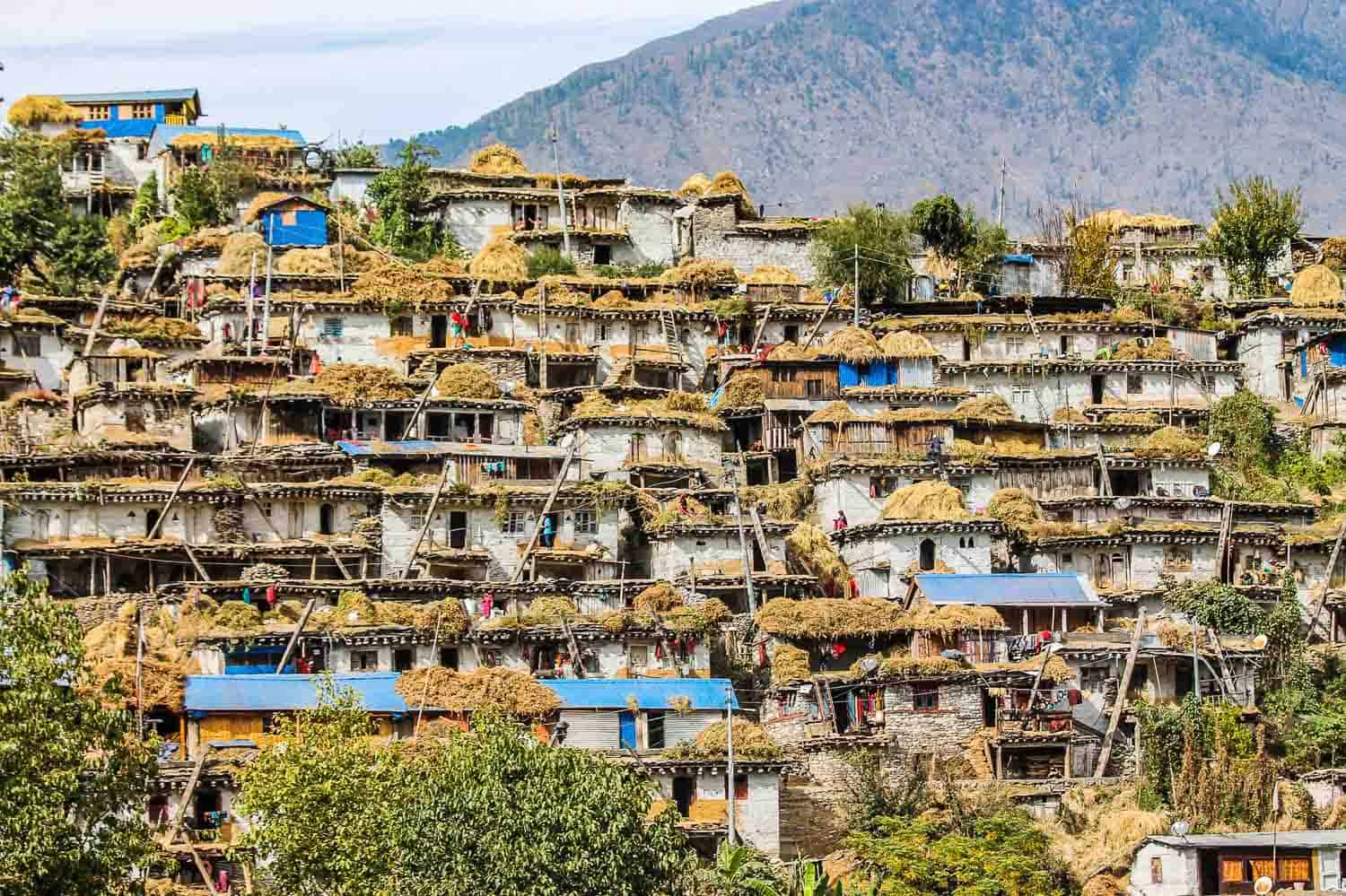
Karnali ProvinceCultural
Tibet borderLimi ValleyAncient Tibetan villages

Humla & Limi Valley

Humla, on the Tibet border, has no road link to the rest of Nepal, so trips start with a small aircraft into Simikot. The Limi Valley loop through Halji, Til and Jang takes about three weeks and needs a restricted-area permit.

Explore
Jumla Historic Town
Karnali ProvinceCultural
Khas Kingdom capitalHighest-altitude riceKarnali culture

Jumla Historic Town

Jumla is a Karnali bazaar town at about 2,370 m, with flights from Nepalgunj, a two-day road from Surkhet, two old pagoda temples and the Sinja Valley nearby. It is the staging post for the three to four day walk to Rara Lake.

Explore
Karnali ProvinceLakes
Karnali River headwatersKanjiroba HimalMugu district

Mugu Karnali Highlands

The remote highland region of Mugu district beyond Rara Lake, bordering the Kanjiroba massif — where the Karnali River begins its journey through Nepal.

Explore
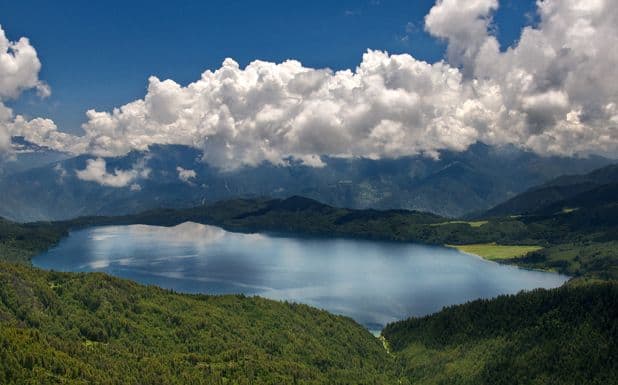
Rara National Park
Karnali ProvinceLakes
Rara Lake — Nepal's largestUnder 3,000 visitors/yearSnow leopard habitat

Rara National Park

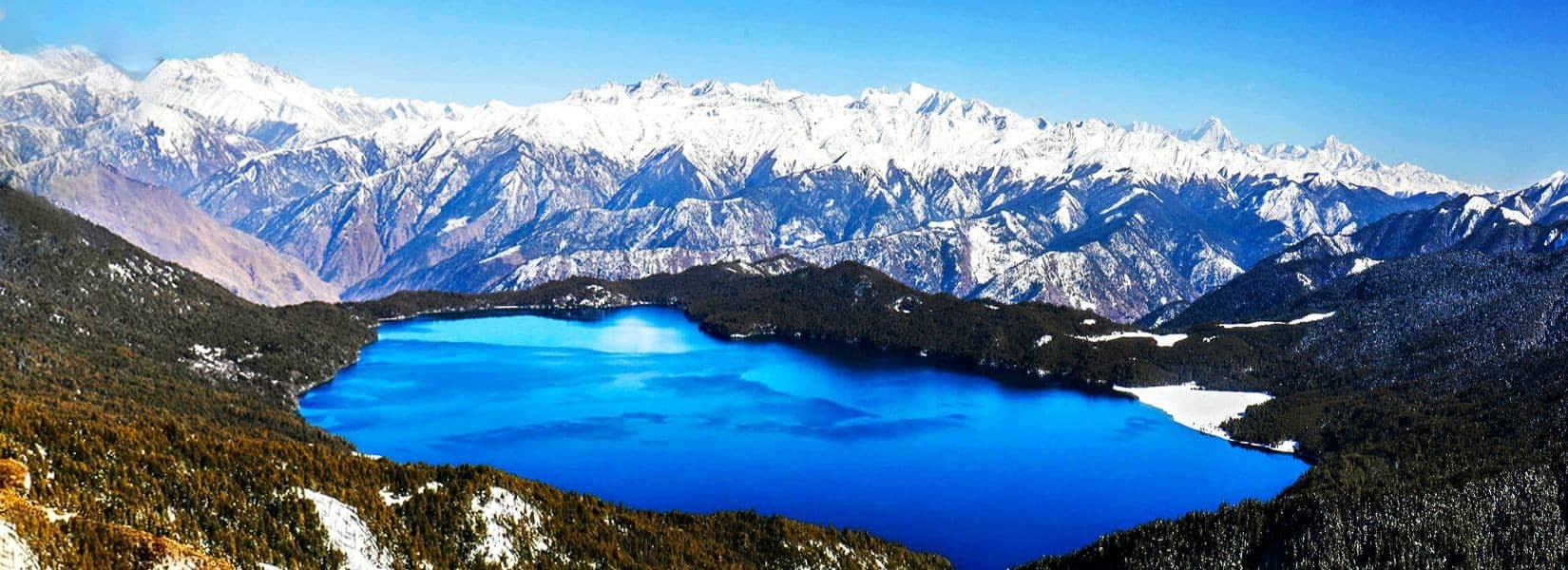
Rara Lake sits at 2,990 m in Mugu district and is the largest lake in Nepal at about 10.8 square kilometres. Reaching it means a weather-dependent flight to Talcha, a two to three day drive, or a walk in from Jumla.

Explore
Rukum & Rolpa
Karnali ProvinceLakes
Traditional Magar & Kham cultureDramatic Bheri River gorgesStone-and-slate highland villages

Rukum & Rolpa

The Rukum and Rolpa highlands span three districts and two provinces, with the Jaljala grassland pass at their centre. Roads reach the district towns, walking starts where they stop, and no restricted-area permit is needed.

Explore
Shey Phoksundo Lake
Karnali ProvinceLakes
Nepal's deepest lake — 145mRestricted area permit requiredPre-Buddhist Bon culture

Shey Phoksundo Lake

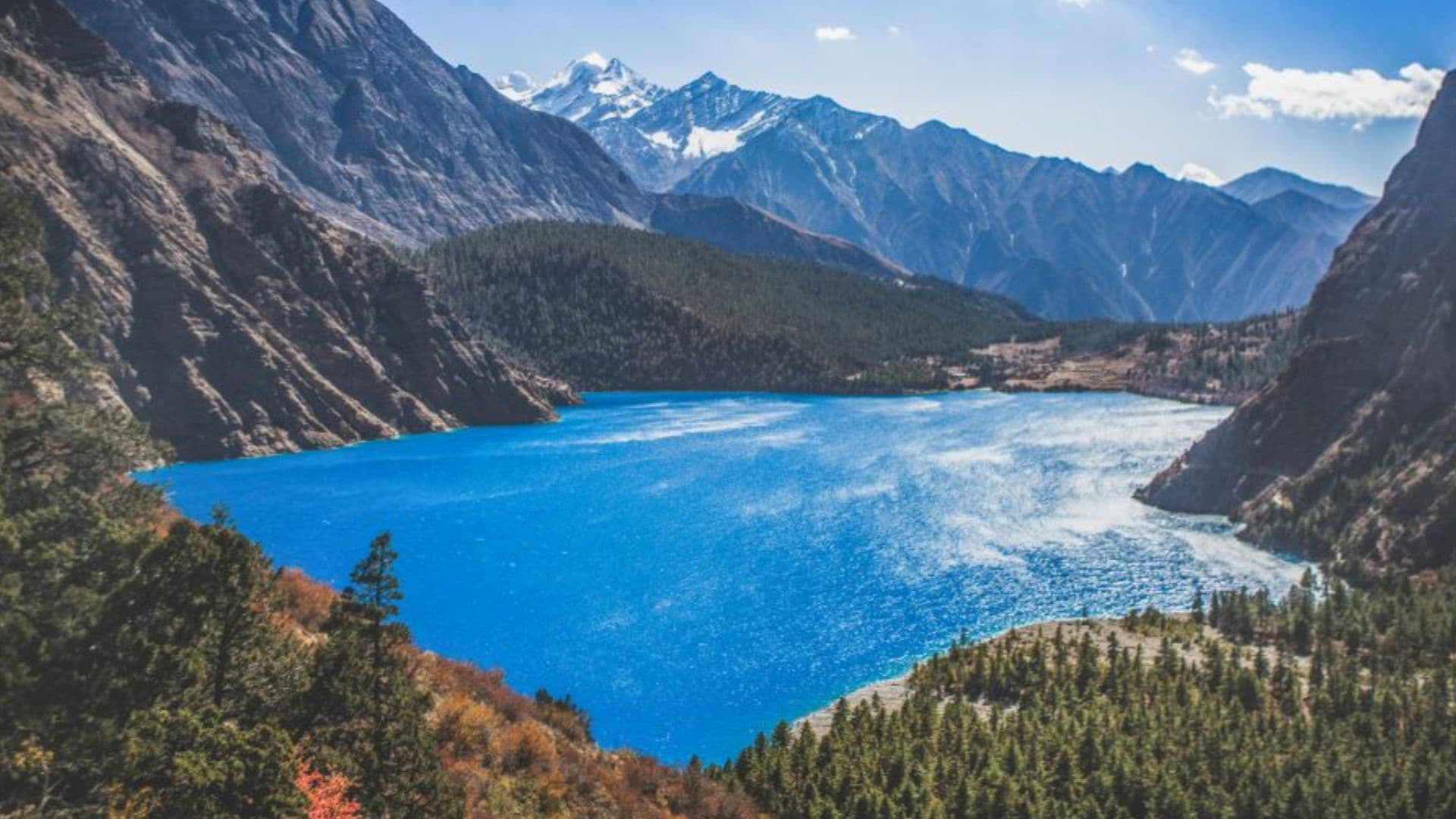
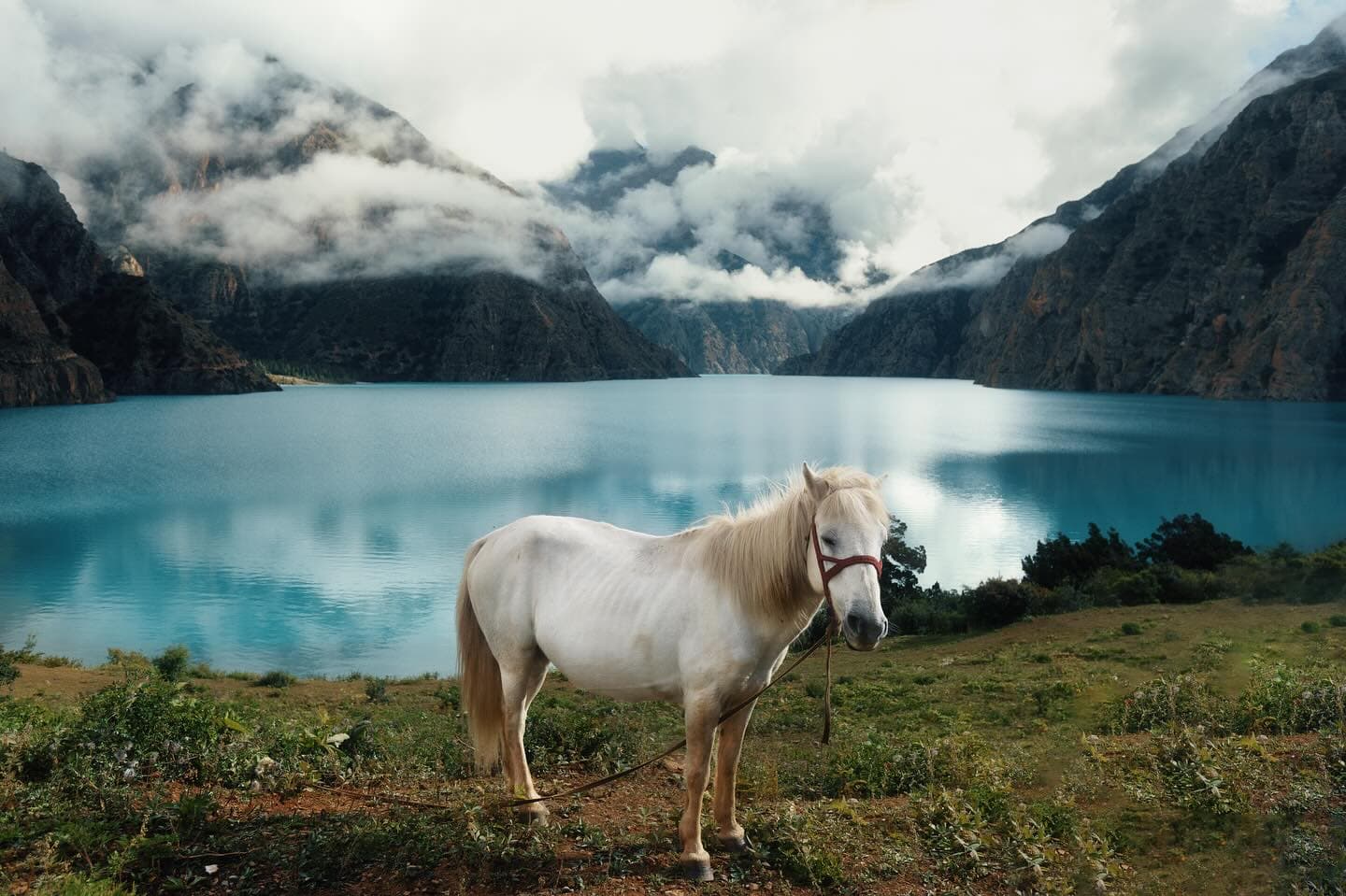
Shey Phoksundo is a cobalt lake at about 3,610 m in Dolpa, three to four days on foot from the Juphal airstrip. It sits inside a restricted area, so a permit, a licensed guide and an agency booking are all needed before you fly.

Explore
Karnali ProvinceCultural
Birthplace of Nepali languageKhas Malla Kingdom capitalBhairabnath Temple

Sinja Valley

The birthplace of the Nepali language and seat of the historic Khas Malla Kingdom — a heritage valley in Kalikot district that almost no travelers visit.

Explore

Most itineraries treat Nepal as three places: Kathmandu, Pokhara, and a trek. That covers a narrow corridor through the middle of the country and misses the western third almost entirely. Karnali and Sudurpashchim together hold Nepal's largest lake, its largest national park, its best tiger viewing, an entire Tibetan-plateau culture, and the least-climbed corner of its Himalaya.

This is the orientation page for that region — how it is organised, what is where, and when to go. Every district and destination links through to its full guide.

How Western Nepal is organised

Nepal is divided into seven provinces and 77 districts. Two provinces make up what we call Western Nepal, and they are genuinely different places.

Karnali Province is the largest province by area and the least densely populated. It contains Jumla, Mugu, Dolpa, Humla, Kalikot, Dailekh and Surkhet, and it spans the full range from subtropical valleys to the Tibetan plateau. This is where Rara, Shey Phoksundo and Limi Valley are.

Sudurpashchim Province is the far west — Bajura, Bajhang, Darchula, Achham, Kailali and Kanchanpur. It runs from the Terai grasslands of Shuklaphanta up to the Api and Saipal massifs on the Tibetan border, and it holds a distinct culture with its own language traditions and the Deuda song-dance form you will not encounter anywhere else in Nepal.

If the district system is unfamiliar, Nepal's 77 districts explained is the map to start from.

Where to go, by what you want

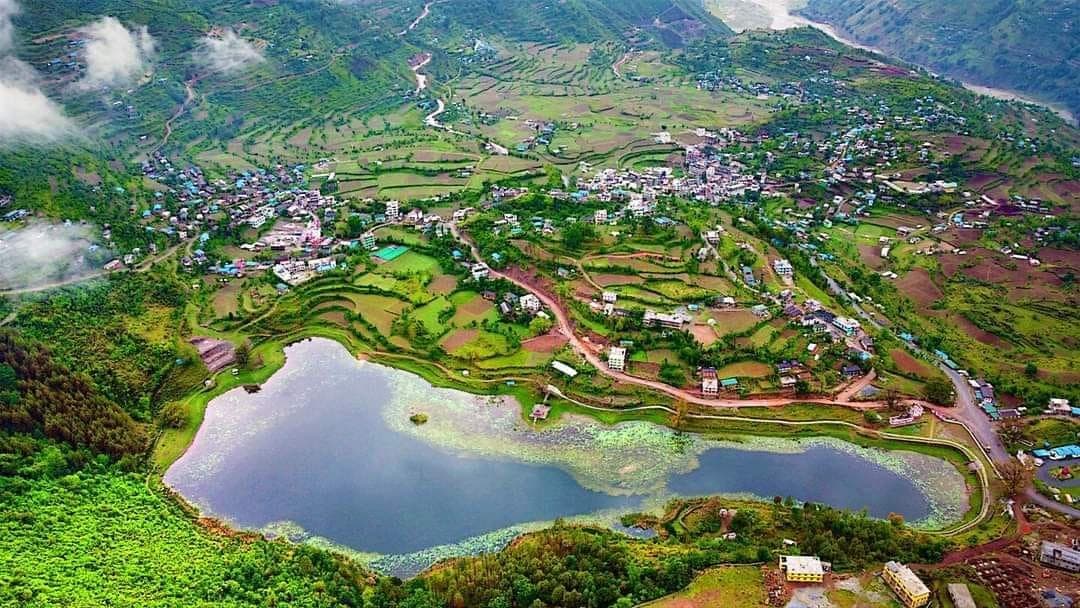
Water and mountains. Rara Lakeis the headline — Nepal's largest lake, ringed by pine forest at nearly 3,000 metres. Shey Phoksundo is the deeper, stranger one: a turquoise lake in upper Dolpa with no fish in it, backed by cliffs and a Bon monastery. Ramaroshan in Achham is a cluster of small lakes and meadows almost nobody outside Nepal has heard of.

Wildlife. The Terai parks — Bardiya, Banke and Shuklaphanta— hold tiger, rhino, wild elephant and the world's largest swamp deer herd, with a fraction of Chitwan's traffic.

Pilgrimage. Badimalika in Bajura and Khaptad Baba's ashram are major destinations for Nepali pilgrims and almost unknown to foreign visitors, which is exactly what makes them worth the walk.

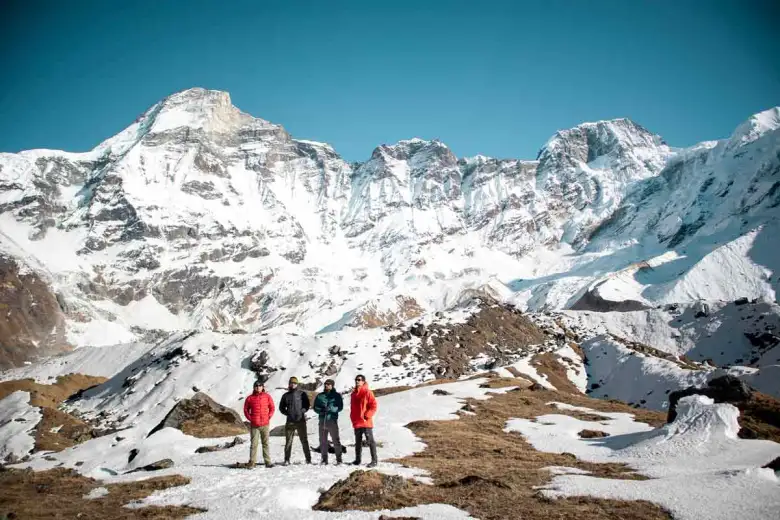
Remote trekking. Covered in full on the trekking pillar — Rara, Dolpa, Humla, Api, Saipal, Rukum.

When to go where

The single most useful thing to understand about this region is that the monsoon does not reach all of it. Dolpa, Humla and the upper valleys sit in the Himalayan rain shadow, so June to September — unusable almost everywhere else in Nepal — is among the best time to be there.

SeasonGo hereAvoidWhy
Spring (Mar–May)Rara, Khaptad, Rukum, ApiLow Terai by late May (heat)Rhododendron in the mid-hills, stable weather, warm nights
Monsoon (Jun–Sep)Dolpa, Humla, MustangEverything south and eastRain-shadow districts stay dry while the rest of Nepal floods
Autumn (Oct–Nov)EverywhereNothingClearest air and most stable weather of the year
Winter (Dec–Feb)Bardiya, Shuklaphanta, TeraiHigh passes, RaraPeak wildlife season; high routes are snowbound

Full detail in the seasons guide.

Getting around

Nepalgunj is the gateway airport for most of Western Nepal, with onward mountain flights to Jumla, Juphal and Simikot. Dhangadhi serves the far west. Road access has expanded a lot in the last decade but remains slow and rough, and mountain flights cancel for weather often enough that you should build spare days into any itinerary. See flights, roads and permits.

First trip to Nepal and not sure whether to come here at all? Start with first-time Nepal itineraries, then the honest comparison in 10 undiscovered destinations.

Not sure where to start? Tell us what you like

Read More

Every District & Destination Guide

District by district across Karnali and Sudurpashchim, plus the landmark places.

50 Must-Visit Destinations Across Nepal

Beyond the west — swipe through Nepal's most iconic places, region by region.

Everest Base Camp
⛰ Himalayan Giants · Trekking

Everest Base Camp

Stand at the foot of the world's highest peak.

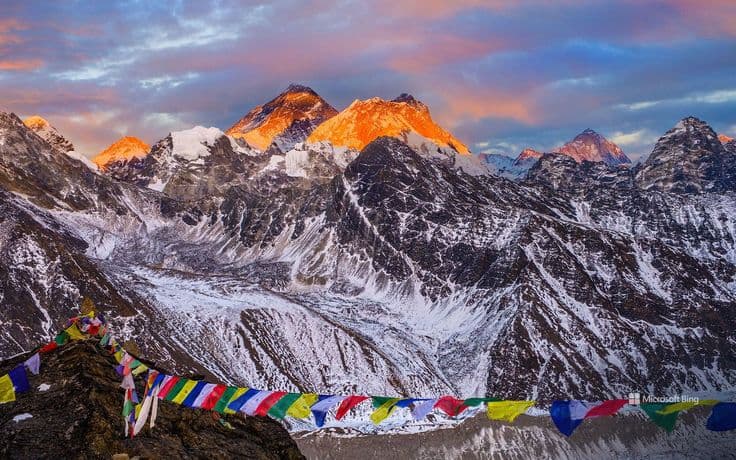
At 5,364m, Everest Base Camp is the most iconic trekking destination on earth. The 12–14 day route from Lukla passes through Sherpa villages, Buddhist monasteries at Thyangboche, and the surreal Khumbu Glacier. One of the world's great pilgrimages for non-climbers.

Altitude sickness is the main risk — spend 2 nights at Namche Bazaar (3,440m) to acclimatise. No technical climbing gear required for Base Camp.

ChallengingBest: March–May, October–NovemberExperienced hikersBucket-list seekersAltitude trekkers5,364m elevationKhumbu GlacierSherpa cultureThyangboche Monastery
Discover Everest Base Camp
01 / 50
Ready to Go?

Turn Destinations into Adventures

Our guided tours take you deep into these landscapes with local experts who know every trail.