
A snow leopard will see you long before you see it. Most confirmed sightings in Nepal come from camera traps left out for months at a time, from a set of pugmarks in fresh snow, or from a herder who found a dead goat with a very particular pattern of bite marks. The cat is grey on grey rock, moves at dawn and dusk, and holds a home range large enough to swallow an entire trekking route. Nepal has a national population that runs into the low hundreds, and a first countrywide assessment published in 2024 put the figure just under four hundred animals.
That is a small number spread across an enormous and vertical country, which is exactly why the snow leopard has become the shorthand species for everything happening in the Nepal Himalaya above 3,000 m. Protect the cat properly and you are necessarily protecting its prey, the alpine pasture that prey depends on, and the water that pasture holds.
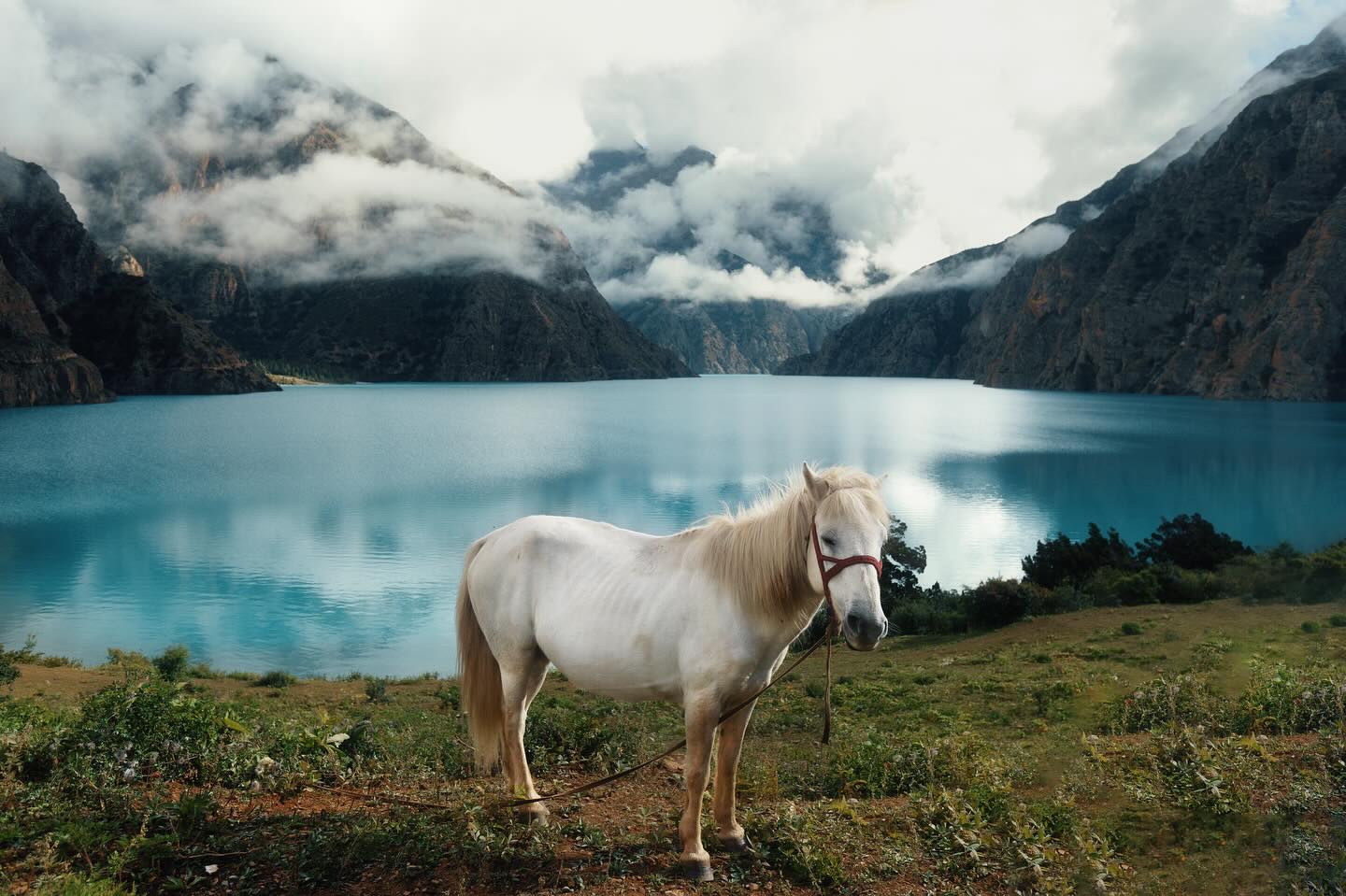
What a snow leopard actually is
Panthera uncia is built for cold, thin air and broken ground. The tail is close to the length of the body, which gives it balance on ledges and doubles as insulation when the animal curls up. The nasal cavity is enlarged to warm freezing air before it reaches the lungs. The paws are wide and furred underneath. Unlike lions and tigers, the snow leopard cannot roar; it chuffs, growls and produces a long wailing call in the mating season, which is the sound herders in Dolpa and Humla know it by.
It is a solitary ambush hunter capable of taking prey several times its own weight, typically by dropping onto it from above. Individual home ranges are very large, particularly where prey is thin, and this is the single most important fact for conservation planning. No single national park in Nepal is big enough to hold a genetically healthy population on its own, which is why corridors between protected areas, and the attitudes of the people living in those corridors, matter more than fences ever could. Globally the species is listed as Vulnerable, downgraded from Endangered in 2017 not because it recovered but because the earlier estimate had been too pessimistic. In Nepal it is a legally protected species and killing one carries serious penalties.
Where snow leopards live in Nepal
The band is roughly 3,000 to 5,000 m, occasionally higher, and it runs the entire length of the country along the north. The strongholds are in the west and the far north where human density is lowest. Shey Phoksundo in Dolpa, the largest national park in the country, is the best known. North of it, the trans-Himalayan valleys of Humla and the Limi Valley hold arid rangeland that looks like Tibet because ecologically it is Tibet. Upper Mustang, Manang, the Manaslu Conservation Area, Sagarmatha, Langtang, Api Nampa in the far west and the Kanchenjunga Conservation Area in the east all hold resident or transient animals.
What links these places is not scenery but blue sheep. Where bharal are numerous, snow leopards persist. Where bharal have been hunted out or displaced by heavy livestock grazing, the cats switch to domestic goats and sheep, and the conflict that follows tends to end badly for the cat.
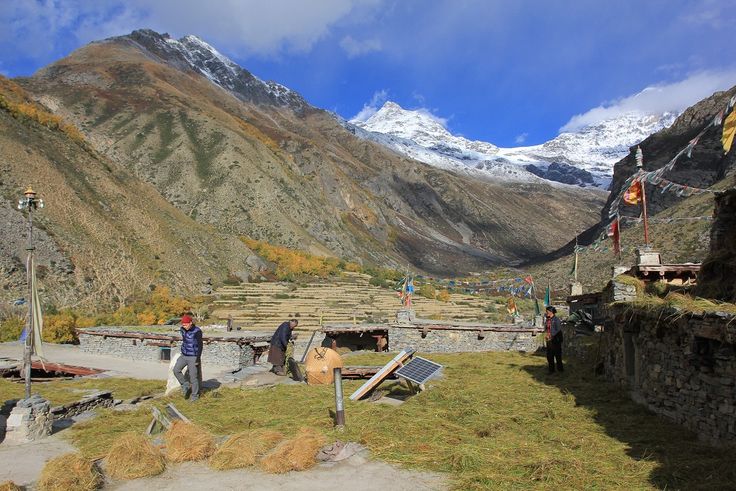
What else lives above the treeline
The snow leopard gets the posters, but the high Himalaya of Nepal holds a full assemblage of specialised mammals and birds, most of which a patient trekker has a far better chance of seeing. The table below gives the rough elevation bands and the protected areas where each is most reliably present.
| Species | Typical elevation | Where to look in Nepal | Status in brief |
|---|---|---|---|
| Snow leopard | 3,000 to 5,000 m | Dolpa, Humla, Mustang, Manang, Kanchenjunga | Globally Vulnerable, protected under Nepali law |
| Blue sheep or bharal | 3,000 to 5,500 m | Shey Phoksundo, Dhorpatan, Upper Mustang, Manang | Widespread, the primary wild prey of the snow leopard |
| Himalayan tahr | 2,500 to 4,500 m | Sagarmatha, Annapurna, Langtang | Near Threatened, often seen on cliffs above trails |
| Red panda | 2,200 to 4,000 m | Langtang, Kanchenjunga, Ilam and Taplejung forests | Endangered, dependent on bamboo understorey |
| Himalayan musk deer | 2,500 to 4,500 m | Sagarmatha, Api Nampa, Khaptad margins | Endangered, poached for the musk pod |
| Himalayan monal | 2,500 to 4,500 m | Oak and rhododendron zones almost everywhere | The national bird of Nepal, common but shy |
| Tibetan wolf | 3,500 to 5,000 m | Dolpa, Humla, Upper Mustang | Persecuted heavily for livestock predation |
Two birds are worth naming separately. The bearded vulture, or lammergeier, patrols the same ground as the snow leopard and is often the first sign that something has died on a slope above you. The Himalayan griffon is the larger, more numerous scavenger that arrives afterwards in numbers. Both are indicators of a functioning carcass economy, which is another way of saying that predators are still working in the landscape.
Why the herder conflict decides everything
Almost every serious threat to the snow leopard in Nepal traces back to livestock. Yak, goat and sheep herds compete with blue sheep for the same alpine grazing. When wild prey thins, the cat takes a domestic animal, and it sometimes gets into a poorly built night corral and kills many at once in a surplus killing response. For a household in Dolpa or Humla, losing a dozen goats in one night is not an inconvenience; it can be a year of income. Retaliatory killing follows, and the pelt and bones then enter an illegal trade that reaches well beyond Nepal.
The interventions that work are unglamorous. Predator-proof corrals with solid roofs and wire mesh stop the mass-kill events almost entirely. Community-managed livestock insurance schemes, funded by a mix of member premiums and conservation grants, convert a catastrophic loss into a survivable one. Citizen scientists and local snow leopard monitors, recruited from the same villages, gather the camera-trap and scat data that national estimates rest on and give the programme a local constituency. Nepal is also one of the twelve range countries in the Global Snow Leopard and Ecosystem Protection Program, which coordinates survey methods so that population numbers from different countries can actually be compared.
Climate change complicates all of it. As the treeline creeps upward, shrub and forest encroach on alpine pasture from below while the highest ground remains rock and ice, squeezing the grazing band the whole system depends on. Herders respond by moving higher and further, which pushes livestock deeper into the last undisturbed prey habitat.
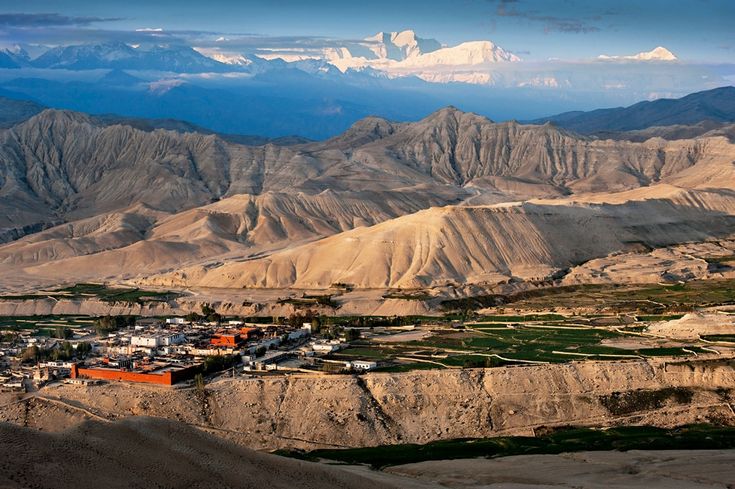
Where travellers have a realistic chance
Be honest with yourself about the odds. Guides in Dolpa and Mustang who spend entire seasons in the field may see a snow leopard once or twice a year. Dedicated winter trips, when the cats and their prey drop to lower elevations and snow shows tracks, offer the only meaningfully improved chance, and they are cold, slow and expensive in time. Trips built around Shey Phoksundo, the upper Suli Gad, Upper Mustang and the Manang side of the Annapurna region are the usual bases. If your real interest is high-altitude wildlife in general rather than one species, autumn and spring trekking in Kanchenjunga, Langtang or Sagarmatha will hand you tahr, monal, musk deer and vultures without any special effort. Our guide to Dolpa beyond Shey Phoksundo covers the practical side of getting into that country.
Whatever you do, keep distance from livestock corrals, do not feed or bait anything, and treat local reports of predation as sensitive information rather than a photo opportunity. The single most useful thing a visitor does for snow leopards is to make the presence of wildlife economically worth more to a village than a retaliatory kill is.
FAQ
How many snow leopards are there in Nepal?
The first national assessment, published in 2024, estimated a population just under four hundred animals spread across the northern districts. Earlier figures were rougher and based on smaller survey areas.
What do snow leopards eat?
Mainly blue sheep, along with Himalayan tahr, marmots, pikas and game birds. Where wild prey is scarce they take domestic goats, sheep and young yak, which is the source of most conflict with herders.
Can a tourist realistically see a snow leopard in Nepal?
Rarely. Dedicated winter trips in Dolpa or Upper Mustang with experienced local spotters give the best chance, and even then most groups come away with tracks, scrapes and camera-trap images rather than a sighting.
Are snow leopards dangerous to people?
There are no reliable records of a snow leopard killing a person. The species is shy and avoids humans, and the danger runs almost entirely in the other direction.
Which national park is best for Himalayan wildlife in Nepal?
Shey Phoksundo is the largest and holds the widest range of high-altitude species. For accessibility, the Annapurna Conservation Area and Langtang deliver tahr, monal and, with luck, red panda on established trekking routes.