Winter in Karnali runs from December to February, and above about 2,000 metres it is genuinely cold — hard frost most nights, snow on the passes, and a sun that reaches the floor of a north-facing valley for only a few hours a day. Roads to the northern districts become unreliable or close outright. Some villages empty as households go down to the Tarai for the season.
How cold, and where
Altitude decides everything here, far more than the date on the calendar. Birendranagar in Surkhet, low and sheltered, has cool nights and pleasant days. Jumla Khalanga, a good deal higher, freezes solid overnight from December. The trans-Himalayan valleys of Humla and Upper Dolpo are colder again, though also drier and often brilliantly clear.
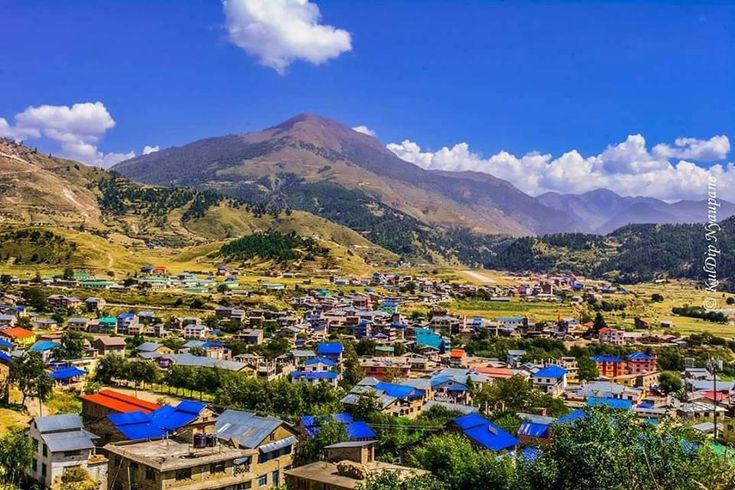
What catches visitors out is the swing between sun and shade rather than the absolute temperature. In direct sun at midday you will be in a shirt. Step behind a wall and you want everything you own. Indoors is often colder than outdoors in daylight, because stone and mud-plaster houses are built to keep summer heat out and have no heating worth the name.
| Rough altitude band | Winter conditions | Access |
|---|---|---|
| Below 1,000 m — Surkhet, the Tarai fringe | Cool nights, warm days, morning fog | Normal all winter |
| 1,000-2,000 m — mid-hill districts | Frost at night, dry, clear air | Usually fine |
| 2,000-3,000 m — Jumla, the Kalikot uplands | Hard frost, snow that lies for days | Passable between snowfalls; flights weather-dependent |
| Above 3,000 m — passes, Humla, Upper Dolpo | Deep cold, snow, high passes shut | Air access only, and often not that |
Which roads close
The Karnali Highway keeps running through winter in normal conditions, and in some ways it is a better road than in the monsoon — the hillside is stable and there is no mud. What stops it is snow on the high sections, which shuts the road until a plough or a thaw clears it, and which nobody can forecast more than a day ahead. The onward roads from Jumla towards Mugu and the north are the first to go and the last to reopen. The Jumla district guide and the Kalikot guide cover those routes in ordinary conditions.
Flights are the other half of the picture. Nepalgunj to Jumla and Nepalgunj to Simikot both operate in winter, and both cancel for cloud and snow. A cancellation in December can mean several days of waiting rather than one, because the backlog clears in the order it built up.
How houses are heated
Mostly they are not, in the sense a visitor means. The heat source in a traditional Karnali house is the cooking fire, and the room it stands in is the room everyone lives in. In much of Humla and upper Mugu that means a hearth in a smoky central room shared by people, grain stores and often livestock. Firewood is the fuel, gathered through autumn and stacked on roofs and along walls — the size of the woodpile outside a house in November is a fair measure of how well that household is set up for February.
Lower down, a winter evening happens around a fire in a shared space, which is the same social architecture as the rodhighar tradition. Guesthouses in the district headquarters may have a heater in the dining room and will have nothing in the bedroom. Bring a sleeping bag rated colder than you think you need, and expect to wear most of your clothes in bed.
Why villages empty out
Seasonal migration down to the Tarai and into India is an old pattern in the high districts, and winter is when it happens. The fields are finished, the passes are shut, and a household that has stored enough grain still needs cash income. People go down for work — in the Tarai, in Nepalgunj, across the border in northern India — and come back for the spring planting. In the highest settlements of Humla the winter population can be a fraction of the summer one, with a caretaker household or two left behind.
For a visitor that means services thin out. A lodge open in October may be shut in January for no reason other than that the family running it is not there.
What winter is good for
Air clarity, above all. December and January give some of the sharpest mountain views of the year, before the spring dust and haze arrive. Prices are lower, nothing is booked, and the festival calendar keeps going — Maghe Sankranti in mid-January is a proper mid-winter marker, kept with sesame sweets and river bathing that looks unbearable and is done anyway.
If you want to be in the region in these months, stay lower and go south. Surkhet, Dailekh and the Tarai parks are at their best in winter, and the high country will still be there in May.
Frequently Asked Questions
How cold does it get in Jumla in winter?
Below freezing on most winter nights, with hard frost and periodic snow that lies. Daytime in direct sun is mild. The bigger practical problem is unheated indoor space rather than the outdoor temperature.
Does the Karnali Highway close in winter?
Not permanently, but snow shuts the high sections for days at a time, and the onward roads north of Jumla go first. Winter closures are shorter and more predictable than monsoon landslides, though still not announced in advance.
Can you trek in Karnali in winter?
Low routes yes, high passes no. Anything crossing above roughly 3,500 metres between December and February needs snow experience, real equipment and a guide who knows the ground, and lodges along the way may simply be closed.
Why do people leave the high villages in winter?
The farming year is over, the passes are shut and paid work is downhill. Seasonal migration to the Tarai and into northern India for the winter months is long established, and households return for the spring planting.