Maghe Sankranti is one of the few Nepali festivals with a stable date. It falls in mid January, on the first day of the month of Magh, because it tracks the sun rather than the moon. That is the whole logic of the festival: it marks the point at which the sun begins its northward movement and the days start lengthening again.
The month that ends is Poush, treated in Hindu practice as an inauspicious period when weddings and other ceremonies are avoided. The month that begins is not. Maghe Sankranti is the hinge between them, and much of what happens on the day is about crossing that line properly.
What is Maghe Sankranti and why does the date not move?
Sankranti means the transition of the sun from one zodiacal sign into the next. Maghe Sankranti is the transit into Makar, or Capricorn, which is why the same day is called Makar Sankranti across much of India. It is a solar reckoning, so unlike Dashain, Tihar or Teej the festival lands on effectively the same Gregorian date every year, in the middle of January.
The turn is called uttarayan, the sun’s northward course. In practical terms it is the coldest stretch of the Nepali year, and the festival reads that way: the food is heavy and warming, the bathing is at dawn in freezing water, and the general theme is getting through winter rather than celebrating spring.
What do people eat on Maghe Sankranti?
The food is the most consistent element across the whole country and it is oddly specific. Til ko laddu, sesame seed balls bound with molasses. Chaku, hardened cane molasses eaten in pieces or with ghee. Clarified butter taken by the spoon. Sweet potato, and tarul, the yam that appears in markets in the days beforehand.
Every item on that list is high in fat, sugar or both, which is the point. These are winter foods eaten at the coldest moment of the year, and the tradition of eating them on this specific day has a plain nutritional logic behind whatever else it carries. Khichadi, a soft rice and lentil dish, is the other standard, cooked in quantity and often distributed beyond the household.
Where do people bathe on Maghe Sankranti?
Ritual bathing at a river confluence at dawn is the core religious act of the day, and the merit is understood to attach to the exact moment of the solar transition. Fairs form around the main bathing sites and can last several days.
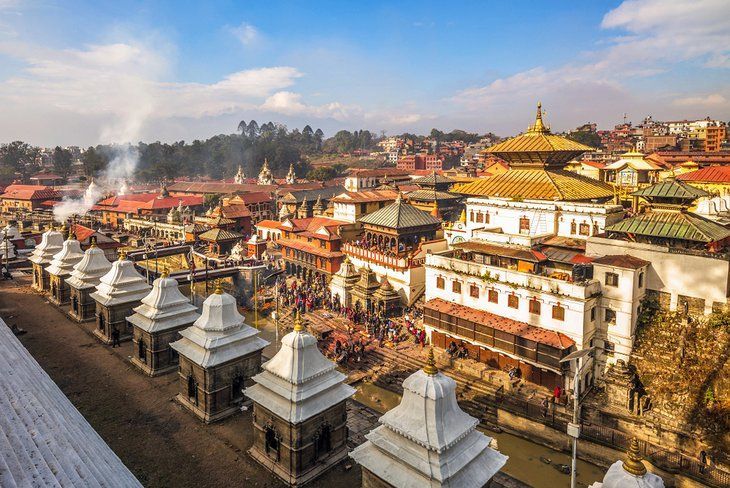
Devghat, at the meeting of the Trishuli and the Kali Gandaki, draws the largest crowds in the country. Barahakshetra on the Koshi in the east and Triveni in the western Terai are the other major sites. In the western hills, Ridi on the Kali Gandaki holds one of the more important regional fairs. In the Kathmandu valley people bathe on the Bagmati, including at the ghats below Pashupatinath and at Sankhamul, and the water in January is genuinely cold.
| Community or place | Name used | Signature food or rite | What it means locally |
|---|---|---|---|
| Hill Hindu households across Nepal | Maghe Sankranti | Sesame laddu, chaku, ghee, sweet potato and yam | The end of the inauspicious month of Poush and the start of an auspicious season |
| Tharu of the western Terai | Maghi | Pork and fish, dhikri, and home brewed rice drink, with sakhiya and other group dances | New year; the day households settle accounts and choose community leadership for the coming year |
| Newar of the Kathmandu valley | Ghya Chaku Salhu | Clarified butter and molasses eaten together | A midwinter strengthening meal, with oil massage given to elders and children |
| Magar communities of the western hills | Maghe Sankranti, alongside local observances | Feasting, family visits and village gatherings | A winter reunion at the point in the year when field work is lightest |
| Pilgrims at river confluences | Sankranti snan | Bathing at dawn in very cold water at the moment of the solar transit | Merit earned at the exact turn of the sun; multi day fairs grow up around the main sites |
What is Maghi, the Tharu new year?
In the western Terai the same day is Maghi, and it is not a variant of Maghe Sankranti so much as a different festival occupying the same date. Maghi is the new year and the largest festival of the year for the Tharu, the indigenous people of the Terai plains, and it is kept most strongly in Dang, Bardiya, Kailali and Kanchanpur.
Maghi is administrative as well as celebratory. It is the day on which the year’s accounts are closed within the household and the community. Families gather, work agreements are reviewed, and in the traditional system the village selects its leadership for the year ahead, including the Bhalmansa who takes responsibility for community decisions. That combination of feast and annual settlement is what makes Maghi structurally different from the hill version of the day.
The celebration itself runs for several days. Pork and fish are central, dhikri is steamed in quantity, home brewed rice drink is served, and group dances including the sakhiya are performed by women in the villages. Whole settlements empty into open ground for it.
Why is Maghi also a freedom day?
Maghi carries a second meaning in the western Terai that has nothing to do with the calendar. Under the Kamaiya system of bonded agricultural labour, Maghi was the day on which labour contracts were renewed or transferred, and families could be moved from one landlord to another. The festival was the annual point at which the terms of a household’s bondage were set.
Nepal formally abolished the Kamaiya system in 2000. Since then Maghi has also been observed as a freedom day in the affected districts, with public gatherings that mark the abolition alongside the new year celebrations. The two meanings sit together on the same date, and understanding the second is necessary to understand why Maghi carries the weight it does in Tharu communities.
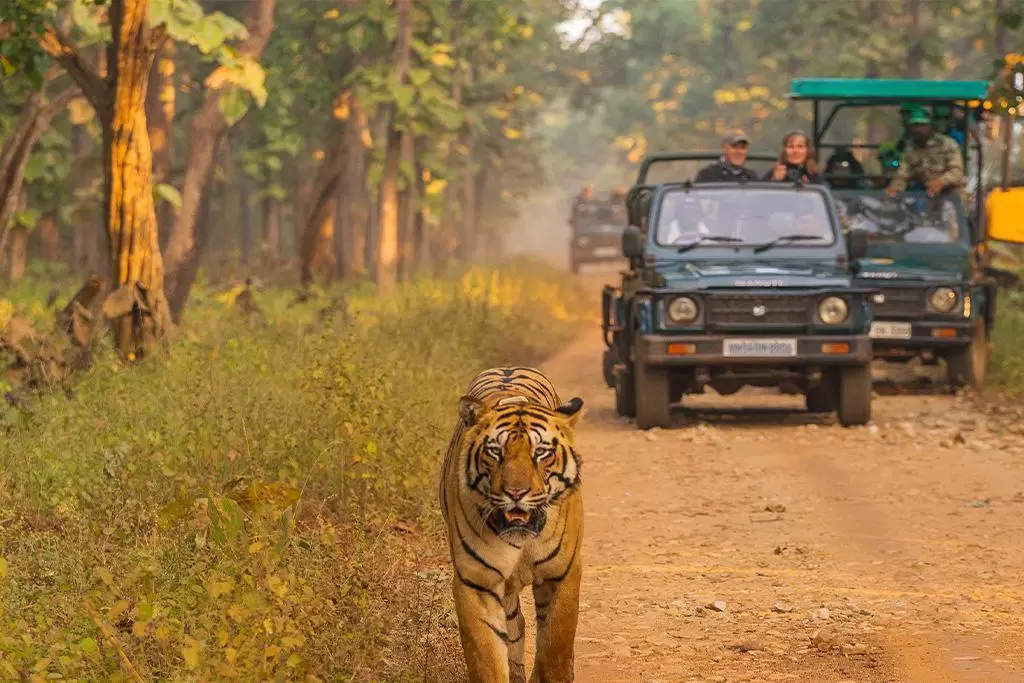
Anyone visiting Bardiya National Park in January will be in the middle of this. The park is the main draw for outside visitors to the district, and the surrounding villages are where the festival actually happens. It is worth asking your lodge rather than assuming the festival is a staged cultural evening.
How is Maghe Sankranti kept in the Kathmandu valley?
The Newar version is called Ghya Chaku Salhu, which names the food directly: ghee and chaku. Households eat the two together, and it is customary to give an oil massage to elders and to children on the day. Sesame oil is used, and the practice is understood as protective against the cold.
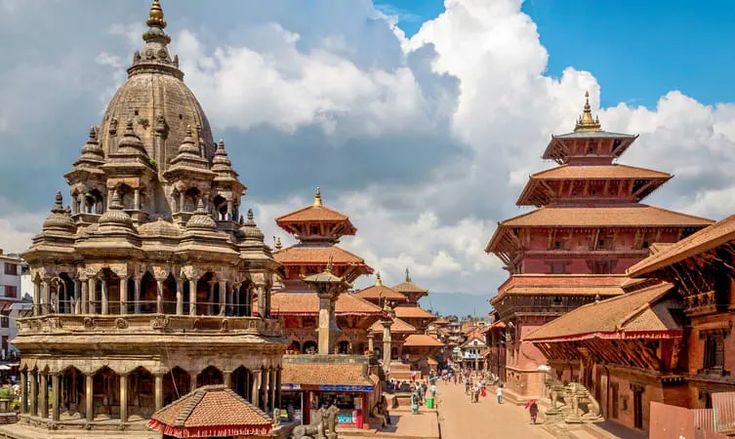
You will see the seasonal sweets appearing in shopfronts around Patan Durbar Square and in the old market lanes of Kathmandu for a week or two beforehand, chaku pressed into slabs and sesame worked into laddu. That is the easiest way for a visitor to encounter the festival without arranging anything: buy some, eat it outdoors in January, and the logic of the day becomes fairly obvious.
FAQ
When is Maghe Sankranti?
It falls in mid January, on the first day of the Nepali month of Magh. Because it follows a solar rather than a lunar reckoning, the Gregorian date is stable from year to year, unlike most Nepali festivals. It is a public holiday in Nepal.
What is the difference between Maghe Sankranti and Maghi?
They fall on the same day and mean different things. Maghe Sankranti is the Hindu solar festival marking the sun’s northward turn, kept mainly by hill communities with sesame sweets and ritual bathing. Maghi is the Tharu new year in the Terai, a multi day festival that also served as the annual point for settling household and community affairs.
Why do people eat sesame and molasses on this day?
Both are warming, calorie dense winter foods, and Maghe Sankranti falls at the coldest point of the Nepali year. The religious framing and the practical one line up. Sesame in particular is associated with the day across South Asia, and sesame oil is also used for the massage given to elders and children.
Where is the best place to see Maghi celebrated?
The Tharu districts of the western Terai, principally Dang, Bardiya, Kailali and Kanchanpur. Bardiya is the most accessible for visitors because of the national park infrastructure, and villages around the park hold their own celebrations. Ask locally about village events rather than booking a staged cultural performance.
Is Maghe Sankranti a good time to travel in Nepal?
Mid January is cold, dry and often very clear, which makes it good for mountain views and for the Terai parks, where grass is low and wildlife easier to see. The drawbacks are morning fog in the plains that disrupts flights and road travel, cold nights without reliable heating, and snow on the higher passes.