If someone in Nepal tells you Losar is next week, the useful follow up question is which Losar. There are three main ones, they belong to different communities, and they can fall months apart. Getting that wrong is the single most common mistake visitors make about the festival.
Losar means new year in Tibetan. In Nepal the word covers a set of related but distinct observances kept by Tamang, Gurung, Sherpa, Tibetan and other Himalayan Buddhist communities. They share a great deal of ritual vocabulary and almost none of their timing.
What are the three Losars in Nepal?
Tamu Losar is the new year of the Gurung, who call themselves Tamu. It falls in the Nepali month of Poush, which puts it in late December. Because it is tied to the Nepali solar calendar rather than a lunar one, the Gregorian date barely moves from year to year, which makes it the easiest of the three to plan around.
Sonam Losar is the Tamang new year, and it is lunar. It falls in January or February. The Tamang are one of the largest ethnic groups in Nepal and are heavily represented in the districts ringing the Kathmandu valley, so Sonam Losar produces very large public gatherings in the capital as well as in the hill districts.
Gyalpo Losar is the Tibetan new year proper, kept by Sherpa, Tibetan and other Bhotiya communities. It falls in February or March. It is the longest of the three, traditionally running about fifteen days with the first three carrying most of the observance, and it is the one most visitors have heard of.
| Festival | Communities | Roughly when | What distinguishes it |
|---|---|---|---|
| Tamu Losar | Gurung, who call themselves Tamu | Poush, so late December | Tied to the Nepali calendar rather than a lunar one, so the date is close to stable each year |
| Sonam Losar | Tamang, and Yolmo of Helambu | January or February | Lunar; the largest gatherings are in and around Kathmandu, where the Tamang population is very large |
| Gyalpo Losar | Sherpa, Tibetan and other Bhotiya communities | February or March | The Tibetan lunar new year; the longest observance, with the first three days carrying the main rites |
| Losar in the high valleys | Communities of Mustang, Dolpo, Nubri, Tsum and Limi | Varies by valley | Local monastic calendars set the date, and some valleys keep a timing of their own |
| Losar in exile settlements | Tibetan settlements at Boudha and Jawalakhel | With Gyalpo Losar | Monastery ceremonies and public gatherings that outsiders can attend without arranging anything |
How is Losar celebrated?
The eve matters as much as the day. In Tibetan practice the household eats guthuk, a thick noodle soup served the night before. Dough parcels in the soup contain hidden objects, and what you find in yours is read as a comment on your character. Wool means you are soft hearted, charcoal means the opposite, chilli means you are sharp tongued. It is funny and pointed and it is aimed squarely at the people in the room.
After the soup, the house is cleared of the past year. Leftovers and sweepings are carried out to a crossroads with torches and abandoned there. The gesture is straightforward: whatever accumulated during the year does not come into the next one.
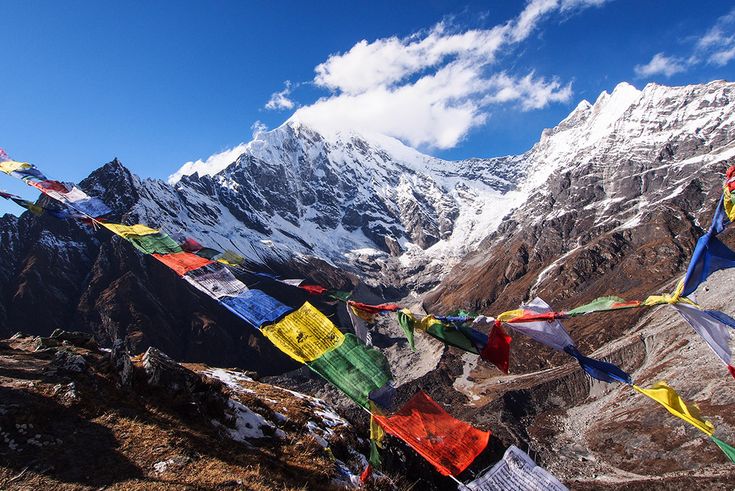
On the day itself, households set out a chemar box holding roasted barley flour and sprouted barley, offer it to guests, and toss a pinch upward before eating. Khapse, deep fried wheat biscuits, are stacked in tall structures on the household shrine. There is chang, there are new clothes, and there is a great deal of visiting. Prayer flags on rooftops and passes are taken down and replaced, which is why the flag lines in Sherpa and Tibetan settlements look newest at the end of winter.
The monastery side runs in parallel. Gompas hold protector rites in the closing days of the old year and cham, masked ritual dance, in the days around the turn. These are long, slow and worth attending in full rather than dropping into for ten minutes.
Where can you see Losar in Nepal?
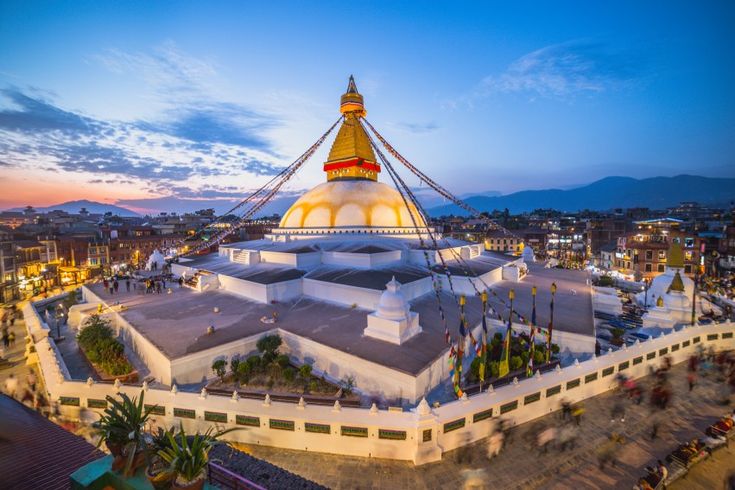
For Gyalpo Losar, the simplest option is Boudhanath in Kathmandu. The stupa and the monasteries surrounding it form the centre of Tibetan Buddhist life in Nepal, and the days around Losar bring processions, new prayer flags, incense smoke thick enough to see from the roof terraces, and continuous circumambulation. The Tibetan settlement at Jawalakhel in Patan holds its own observance.
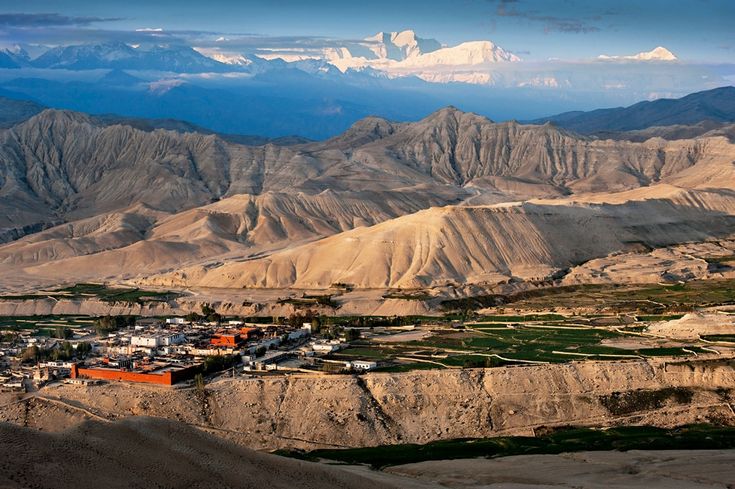
For Losar in a village rather than a city, the northern trekking valleys are the place, but the logistics are real. Langtang and the Tamang villages on its approach are within reach of Kathmandu and combine Tamang and Tibetan Buddhist practice in the same district. Upper Mustang keeps some of the most intact Tibetan cultural life anywhere outside Tibet, though it requires a restricted area permit and the season is cold. Limi Valley in Humla is the most remote option of all and needs serious planning.
Solukhumbu is the classic Sherpa setting for Gyalpo Losar, and February in the Khumbu is clear, very cold and empty of trekkers. That combination is either the appeal or the problem, depending on your tolerance for cold.
Why do the dates move so much?
Gyalpo Losar and Sonam Losar follow lunar calendars, and the Tibetan calendar in particular inserts and skips days in a way that does not track the Gregorian year at all. Tamu Losar follows the Nepali solar calendar, which is why it stays put. On top of that, individual monasteries and valleys sometimes calculate their own dates, so two settlements a day’s walk apart can mark Losar in different weeks.
The practical consequence for a traveller is that you cannot fix a Losar trip from a general guidebook. Confirm the date with a monastery, a lodge owner or an operator in the specific valley you are going to, and confirm it in the same season you plan to travel.
What should visitors know before attending Losar?
Losar is a family festival first. The public parts, meaning the monastery rites, the cham dances and the street gatherings, are genuinely open, and outsiders are welcome at them. The household parts are not public, and being invited into one is a real invitation rather than a standard part of a tour.
Practical points. Winter at altitude is serious, and many lodges on the trekking routes close or run skeleton service in February. Roads to the northern districts can be blocked by snow. Flights to mountain airstrips are cancelled routinely. Build slack into any Losar itinerary.
If you are invited to a house, bring something. Khata scarves, fruit or tea are all normal. Take a small amount of the chemar offered to you, toss a pinch up, and eat the rest. Nobody expects you to know the ritual, and being shown how to do it is part of the point.
FAQ
When is Losar in Nepal?
It depends which Losar. Tamu Losar falls in late December, Sonam Losar in January or February, and Gyalpo Losar in February or March. Two of the three follow lunar calendars, so their dates shift every year and should be confirmed locally rather than assumed.
Are Sonam Losar and Gyalpo Losar the same festival?
No. They are separate new years kept by different communities at different times. Sonam Losar is Tamang, Gyalpo Losar is Tibetan and Sherpa. They share ritual elements such as new clothes, monastery visits, fresh prayer flags and household feasting, but they are not the same day and should not be treated as one.
Can tourists attend Losar celebrations?
Yes, for the public elements. Monastery ceremonies, masked cham dances and gatherings at places like Boudhanath are open to visitors. Household meals are private unless you are invited. Dress warmly, keep out of the dance ground, and follow whatever the monastery staff indicate about photography.
What food is eaten at Losar?
Guthuk noodle soup on the eve, khapse fried biscuits stacked on the shrine, roasted barley flour offered from the chemar box, meat dishes and chang, a home brewed barley or millet drink. The exact menu varies by community and by valley, and in Kathmandu it now sits alongside ordinary Nepali festival food.
Is Losar a public holiday in Nepal?
Losar is recognised as a public holiday in Nepal, though the specific arrangements have changed over the years and vary by which Losar and which district. Government offices and schools in areas with large Tamang, Gurung, Sherpa or Tibetan populations are the most likely to close. Check current notices rather than assuming.