
Chiya is Nepali milk tea: leaves, water, milk and sugar boiled together in one pan and strained into a small glass. It is drunk several times a day, at home and at roadside stalls, and it is a different drink from the black tea grown for export in Ilam. Being handed a glass is the standard opening move of almost any social encounter in Nepal.
What is in the glass
The everyday version is dudh chiya. Water and milk go into the pan together, tea leaves and sugar go in with them, the whole thing is brought to a rolling boil, and it is poured through a strainer. The tea is sweet by default. If you want it less sweet you have to say so before it is made, because the sugar is not added at the table.
Masala chiya is the same drink with spices boiled in — cardamom almost always, then ginger, cinnamon, cloves or black pepper depending on the house and the season. Ginger-heavy versions turn up when someone has a cold and in cold weather generally.
| Name | What it is | Where you meet it |
|---|---|---|
| Dudh chiya | Milk tea, boiled with leaves and sugar together | Everywhere, all day |
| Masala chiya | Dudh chiya with cardamom and other spices | Stalls, cold weather, guests |
| Kalo chiya | Black tea, no milk, usually with sugar and sometimes lemon | Asked for by name; common when someone is unwell |
| Butter tea | Tea churned with butter and salt, savoury rather than sweet | Tibetan-influenced high country: Dolpa, Humla, Mustang |
The last row is worth knowing about before you are handed a bowl of it in Humla and expect something sweet. Butter tea is salty, fatty and closer to a broth than to tea in the way a visitor thinks of it, and at altitude in winter it makes complete sense. Refusing it outright reads badly; taking a little and holding the bowl is fine. The high trans-Himalayan districts where you will meet it are described in the Humla district guide.
The glass, the stall and the pause
Chiya is served in a small glass, not a mug, and the portion is small on purpose. It is meant to be drunk in a few minutes and repeated, rather than nursed. A tea stall on a bus route is a shack with a gas ring, a large kettle of milk tea kept going, a rack of biscuits and usually a stack of glasses in a bucket of water.
On any long road journey in Nepal the bus stops for tea, and that stop is the rhythm of the trip. The Karnali Highway and the roads through the far west are slow enough that these breaks are the only reliable structure the day has. Anyone planning that kind of journey should read how to get to West Nepal first, and then accept that arrival times are negotiable.
Tea also marks arrival. Walk into a house, an office or a shop where you have business, and tea appears before the conversation starts. Declining it is possible but it changes the temperature of the meeting. If you are travelling slowly and stopping in villages — which is the way this region rewards, as we argue in the case for fewer stops — you will drink a great deal of tea, and that is the point rather than a side effect.
Ilam and the tea Nepal sells
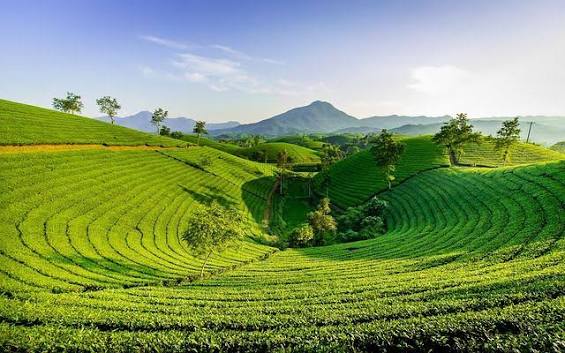
Nepal has a commercial tea industry, and it sits at the opposite end of the country from West Nepal. Ilam, in the eastern hills near the Darjeeling border, grows orthodox tea — whole-leaf, hand-plucked, made for people who want to taste the leaf. The flat, hot Jhapa district below it grows the heavier CTC tea that goes into mass-market blends.
Very little of the good Ilam leaf ends up in a Nepali tea glass. Orthodox tea is an export product, and the domestic market runs on cheap strong leaf that can survive being boiled in milk. A tea drinker who arrives expecting a delicate Himalayan first flush at every stall will be disappointed by chiya, and will be missing the point of it: chiya is not a tasting exercise, it is a social one.
Tea, salt and the old trade
The butter tea of the northern valleys is a survival of a trade system rather than a local invention. Tea came north from the Indian hills and south from Tibet, salt came south over the passes, and the villages in between drank the results. That trade shaped the settlements of Humla, Mugu and Dolpa long before roads did, and it is set out in the trans-Himalayan salt trade routes.
Frequently Asked Questions
What is chiya?
Chiya is the Nepali word for tea, and in practice it means milk tea: tea leaves, water, milk and sugar boiled together in one pan and strained into a small glass. If you want black tea without milk, ask for kalo chiya.
Is Nepali chiya the same as Indian masala chai?
They are close relatives and the method is the same. Everyday Nepali chiya is often plainer, with the spice version treated as a separate order rather than the default. The word masala is used the same way in both places.
How do I order tea without sugar in Nepal?
Say chini nahalnus, meaning do not add sugar, and say it before the pan goes on. Sugar is boiled in with the leaves rather than added at the table, so once the pan is on it cannot be undone.
Where is tea grown in Nepal?
Mainly in the far east. Ilam in the hills grows orthodox whole-leaf tea, and Jhapa in the plains below grows CTC tea for blends. Very little tea is grown in western Nepal, and most of what is drunk there is bought in.
What is butter tea and where will I be offered it?
Tea churned with butter and salt, drunk in the Tibetan-influenced high valleys such as Dolpa, Humla and Mustang. It is savoury rather than sweet and functions as food as much as drink. Accept a small amount even if it is not to your taste.