The areas surrounding Dhorpatan Hunting Reserve are home to diverse ethnic communities including Magars, Gurungs, Chhetris, and various other groups. These communities have historically maintained various relationships with the landscape now designated as a reserve:
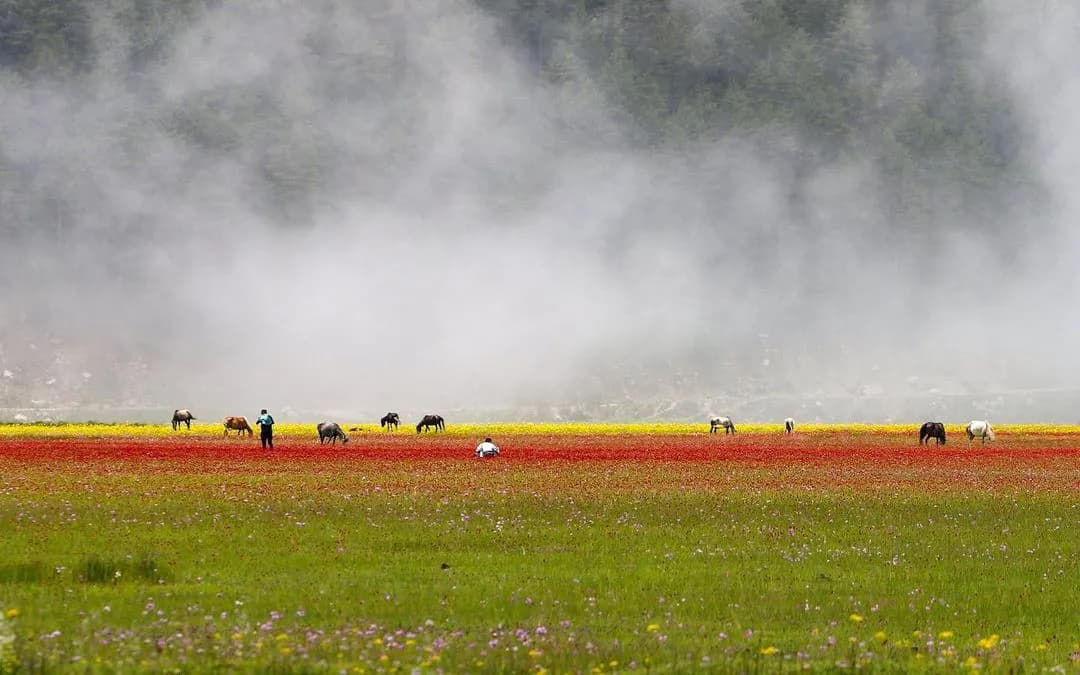
- Traditional Land Use: Many local communities practiced traditional transhumance (seasonal movement of livestock between different grazing grounds), utilizing the alpine meadows of Dhorpatan for summer grazing.
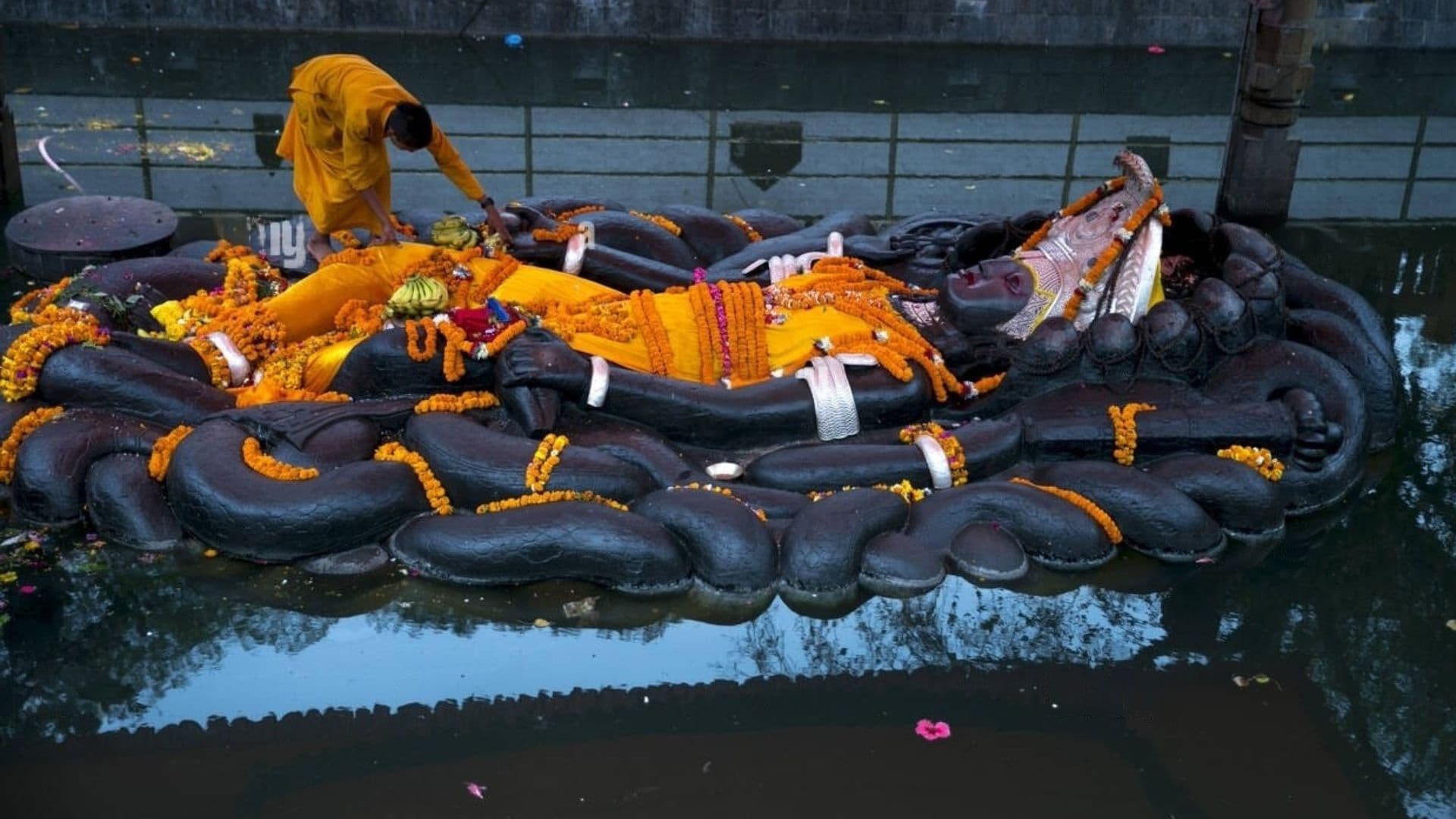
- Cultural Practices: Several sacred sites within and around the reserve hold religious significance for local communities, including mountain deities and forest shrines.
- Traditional Knowledge: Local communities possess extensive knowledge of medicinal plants, wildlife behavior, and sustainable resource harvesting practices that increasingly inform conservation management.
The establishment of the hunting reserve has altered traditional land access in some areas, creating both challenges and opportunities for local residents.
Community Involvement and Benefits
The reserve management model increasingly emphasizes community participation in several ways:
- Employment Opportunities: Local residents work as guides, porters, camp staff, and reserve rangers, creating direct economic benefits.
- Revenue Sharing: A portion of hunting and tourism fees is allocated to community development projects in buffer zone communities.
- Conservation Committees: Local stakeholders participate in management committees that provide input on reserve policies and programs.
- Alternative Livelihoods: Programs support sustainable livelihoods including ecotourism development, handicraft production, and sustainable harvesting of non-timber forest products.
- Cultural Preservation: Tourism activities increasingly incorporate cultural experiences that help preserve and celebrate local traditions while creating income opportunities.
These community engagement mechanisms aim to ensure that conservation efforts align with local needs and that benefits from the reserve are equitably distributed to those most affected by its establishment.
Tourism Beyond Hunting
Ecotourism Opportunities
While hunting remains the reserve's distinctive offering, Dhorpatan increasingly attracts visitors interested in non-consumptive activities:
- Wildlife Viewing: The same landscapes and wildlife that attract hunters also appeal to wildlife photographers and nature enthusiasts.
- Trekking: Several trekking routes pass through the reserve, offering stunning mountain scenery and wilderness experiences without the crowds found on more popular Nepali trekking circuits.
- Birdwatching: The diverse avian population attracts specialized birdwatching tours, particularly focused on pheasant species and alpine birds.
- Botanical Exploration: The reserve's diverse flora, including spectacular spring rhododendron blooms, appeals to plant enthusiasts and photographers.
- Cultural Tourism: Visits to traditional villages surrounding the reserve provide insights into local cultures and traditional practices.
These alternative tourism activities help diversify the reserve's visitor base and revenue streams while creating additional employment opportunities for local communities.
Trekking Routes
Several established and emerging trekking routes traverse Dhorpatan Hunting Reserve:
- Dhorpatan Valley Trek: A moderate 7-10 day trek exploring the central valley and surrounding alpine meadows.
- Gurjakhani Trek: Connecting mining history with natural beauty, this trek passes through the reserve's western sections.
- Dolpo Connection: Advanced trekkers can create challenging routes connecting Dhorpatan with Upper Dolpo to the north.
- Dhaulagiri Circuit Extension: Variations of the Dhaulagiri Circuit trek can incorporate portions of Dhorpatan Hunting Reserve.
These treks require proper preparation, including obtaining necessary permits, arranging for guides and porters, and carrying appropriate equipment for alpine conditions.
Detailed Itineraries for Dhorpatan Hunting Reserve
7-Day Dhorpatan Wildlife Experience (Non-Hunting)
This itinerary allows visitors to experience the remarkable landscapes and wildlife of Dhorpatan without participating in hunting activities:
Day 1: Kathmandu to Baglung
- Early morning departure from Kathmandu by domestic flight to Balewa Airport (Baglung)
- Alternative: Full-day drive from Kathmandu to Baglung (8-10 hours)
- Overnight in Baglung town with briefing about the reserve
- Accommodation: Local hotel in Baglung
Day 2: Baglung to Burtibang
- Drive from Baglung to Burtibang (4-5 hours on mountain roads)
- Prepare for trek and meet local guides and porters
- Short acclimatization hike in surrounding hills
- Accommodation: Basic guesthouse in Burtibang
Day 3: Burtibang to Lamsung
- Begin trek toward Dhorpatan Hunting Reserve
- 6-7 hour hike through villages and forests with increasing elevation
- First views of the reserve's landscapes
- Accommodation: Basic teahouse or tented camp
Day 4: Lamsung to Dhorpatan Valley
- 5-6 hour trek reaching Dhorpatan Valley
- Afternoon wildlife observation in alpine meadows
- Visit to reserve headquarters and briefing from conservation officers
- Accommodation: Basic lodge or tented camp
Day 5: Dhorpatan Valley Exploration
- Full day exploring the central valley and surrounding viewpoints
- Wildlife viewing with focus on blue sheep and Himalayan tahr
- Birdwatching opportunities focusing on pheasants and raptors
- Accommodation: Same as previous night
Day 6: Dhorpatan to Gurjakhani
- Trek to historic mining village of Gurjakhani (5-6 hours)
- Cultural interactions with local communities
- Evening folklore and traditional music
- Accommodation: Community homestay or tented camp
Day 7: Return Journey Begins
- Begin return journey either continuing trek to exit points or returning along entry route
- Option to extend with additional days exploring different sectors of the reserve
- Accommodation varies based on selected route
This itinerary can be extended to 10-14 days to explore more remote sections of the reserve or shortened to 5 days for those with limited time.
14-Day Blue Sheep Hunting Expedition
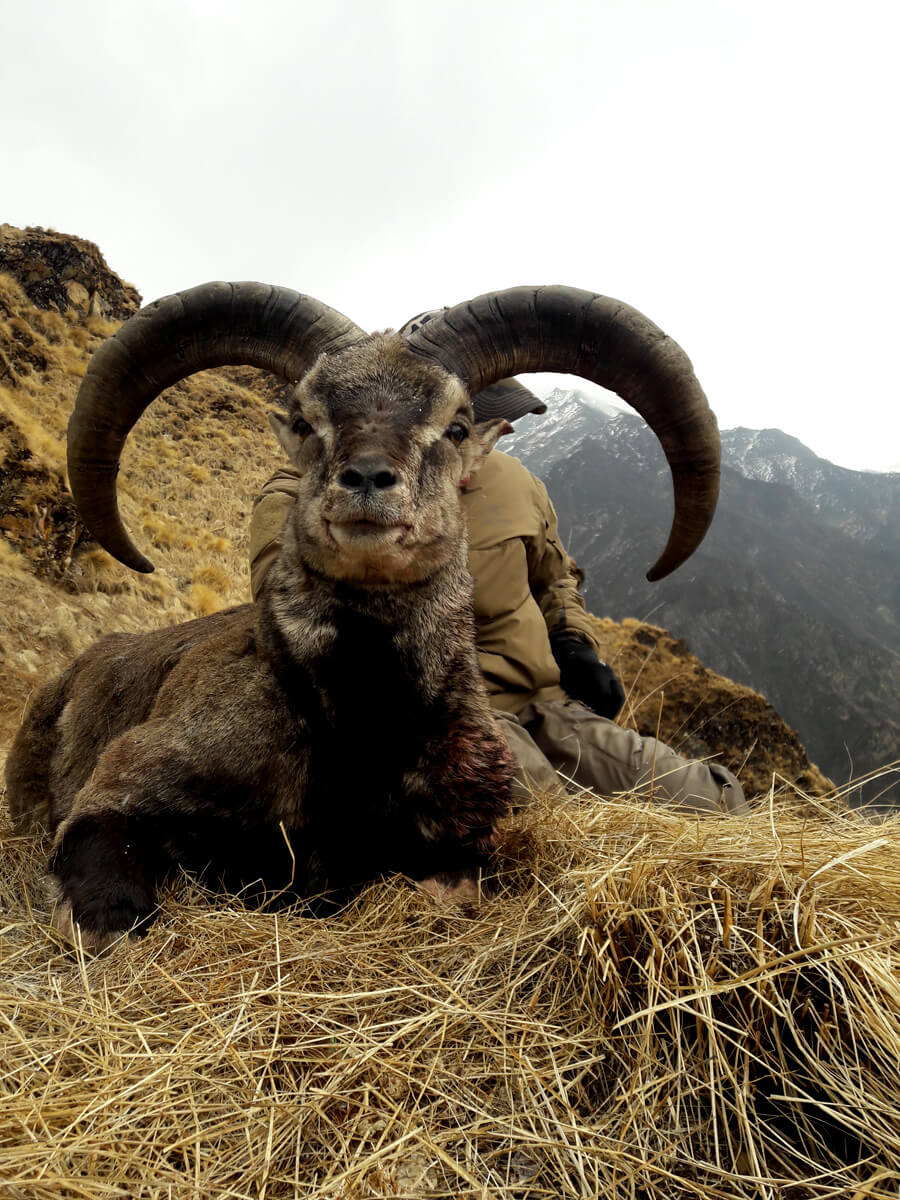
For licensed hunters with appropriate permits, this comprehensive itinerary covers a full hunting experience:
Day 1: Kathmandu Arrival and Preparation
- Arrival in Kathmandu and meet with hunting outfitter
- Permit verification and equipment check
- Briefing on conservation regulations and hunting protocols
- Accommodation: Hotel in Kathmandu
Day 2: Kathmandu to Baglung
- Domestic flight to Baglung area
- Meet hunting guides and support staff
- Final preparations and equipment distribution
- Accommodation: Hotel in Baglung
Day 3: Baglung to Entry Point
- Drive to trekking start point (varies based on assigned hunting block)
- Begin trek toward the reserve
- First-night camp en route
- Accommodation: Tented camp
Days 4-5: Trek to Assigned Hunting Block
- Two-day trek to reach designated hunting area
- Acclimatization to elevation
- Initial scouting of terrain
- Accommodation: Tented hunting camp
Days 6-12: Hunting Operations
- Seven full days of hunting activities following conservation guidelines
- Daily routines typically include:
- Pre-dawn positioning for morning activity
- Spot-and-stalk hunting during active periods
- Afternoon scouting and repositioning
- Evening hunting sessions
- Wildlife observation and photography during non-hunting periods
- Accommodation: Established hunting camp with mess tent and individual sleeping tents
Day 13: Camp Breakdown and Initial Return
- Trophy preparation according to regulations
- Begin return journey toward exit point
- Accommodation: Tented camp en route
Day 14: Return to Baglung/Kathmandu
- Complete trek to road access point
- Drive to Baglung or directly to Kathmandu depending on timing
- Trophy documentation and export permit processing
- Accommodation: Hotel
This itinerary is adjusted based on the specific hunting block assigned, physical condition of participants, and weather conditions. Extensions are available for hunters seeking multiple species or requiring additional days.
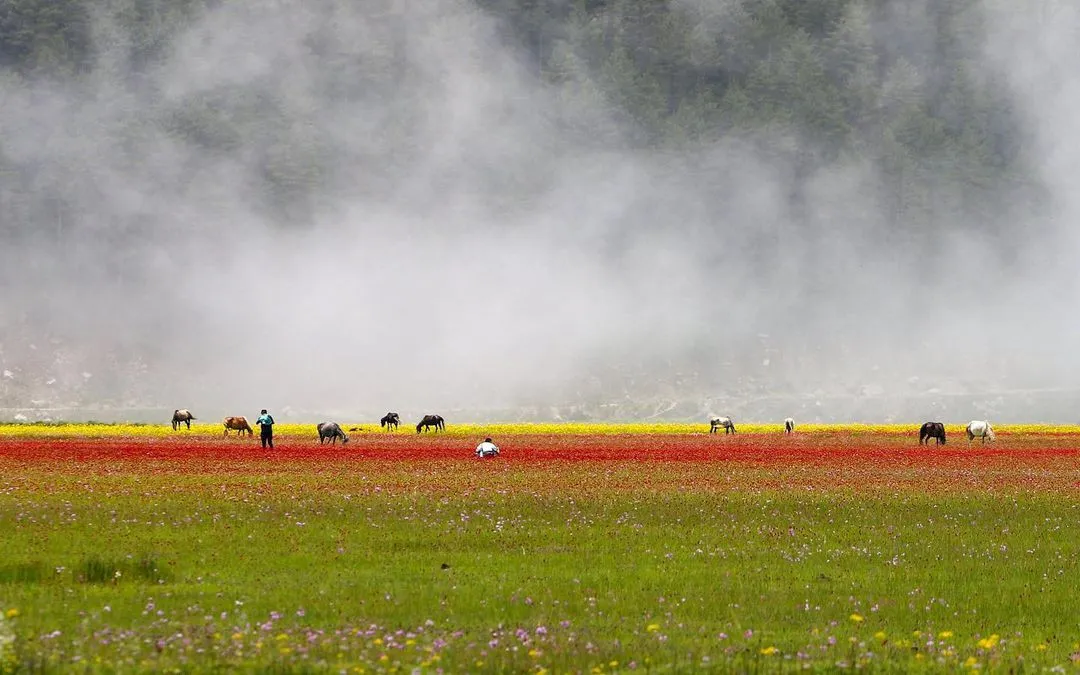
10-Day Dhorpatan Cultural and Natural Heritage Tour
This balanced itinerary combines wildlife viewing with cultural experiences in and around the reserve:
Day 1: Kathmandu to Pokhara
- Travel to Pokhara by flight (30 minutes) or tourist bus (7-8 hours)
- Orientation about the journey ahead
- Relaxation by Phewa Lake
- Accommodation: Hotel in Pokhara
Day 2: Pokhara to Baglung
- Drive from Pokhara to Baglung (3-4 hours)
- Visit local cultural sites in Baglung
- Preparation for trekking portion
- Accommodation: Local hotel in Baglung
Day 3: Baglung to Trekking Start Point
- Drive to trekking start point (varies by season and road conditions)
- Begin trek toward Dhorpatan
- First exposure to rural lifestyles and landscapes
- Accommodation: Village homestay or tented camp
Days 4-5: Trek to Dhorpatan
- Two-day trek through changing vegetation zones
- Village visits and cultural interactions en route
- Observation of traditional agricultural practices
- Accommodation: Basic lodges or tented camps
Days 6-7: Dhorpatan Valley Exploration
- Explore the main valley and surrounding viewpoints
- Wildlife observation in prime habitats
- Visit conservation projects and meet reserve staff
- Cultural program with local communities
- Accommodation: Basic lodge or tented camp in Dhorpatan
Day 8: Dhorpatan to Bobang/Magar Village
- Trek to traditional Magar village
- Participation in cultural activities and traditional crafts
- Learn about indigenous knowledge of local ecosystems
- Accommodation: Community homestay
Day 9: Bobang to Exit Point
- Trek to road access point
- Cultural program and farewell dinner
- Accommodation: Local guesthouse
Day 10: Return to Pokhara/Kathmandu
- Drive to Pokhara or continue to Kathmandu
- Tour concludes
This itinerary emphasizes cultural exchange and sustainable tourism practices while still providing ample opportunities to experience the natural wealth of Dhorpatan Hunting Reserve.
Practical Information for Visitors
Best Time to Visit
The optimal timing for visiting Dhorpatan Hunting Reserve depends on specific interests:
- Wildlife Viewing and Photography:
- October to November: Clear skies, moderate temperatures, excellent visibility
- March to April: Spring flowers, wildlife more active, but increasing haze possible
- Hunting Seasons (for permit holders only):
- Spring Season: March 15 to April 30
- Autumn Season: September 1 to November 30
- Trekking and General Tourism:
- October to November: Ideal conditions with stable weather and clear views
- April to May: Spring blooms and moderate temperatures
- Winter visits (December-February) possible for experienced trekkers but require cold-weather preparation
The monsoon period (June-September) is generally not recommended due to heavy rainfall, leeches, difficult trail conditions, and poor visibility.
Permits and Regulations
All visitors to Dhorpatan Hunting Reserve require permits:
- Non-Hunting Visitors:
- Conservation Area Entry Permit: Available from the Department of National Parks and Wildlife Conservation offices in Kathmandu or at entry checkpoints
- Local area permits as required
- Hunting Visitors:
- All hunting must be arranged through licensed hunting outfitters approved by the Nepalese government
- Required permits include:
- Hunting Block Reservation
- Hunting License
- Weapon Import Permit
- Trophy Export Permit
- Hunting applications should be submitted months in advance as quotas are limited
- General Regulations:
- Visitors must remain on designated trails and camping areas
- Collection of plants, wildlife disturbance, and habitat alteration are prohibited
- Cultural sites must be respected according to local customs
- Waste must be packed out or properly disposed of at designated facilities
Regulations are strictly enforced to maintain the ecological integrity of the reserve and ensure sustainable management.
Accommodation Options
Accommodation in and around Dhorpatan Hunting Reserve ranges from basic to rustic:
- Gateway Towns (Baglung, Burtibang):
- Small hotels and guesthouses with basic amenities
- Some with hot water and electricity
- Restaurants serving Nepali cuisine
- Within the Reserve:
- Basic lodges in Dhorpatan village with shared facilities
- Teahouses along major trekking routes
- Homestays in selected villages
- Camping required for more remote areas
- Hunting Expeditions:
- Fully serviced camps established by outfitters
- Typically include dining tent, sleeping tents, and basic toilet facilities
- Service staff handling camp operations
Visitors should not expect luxury accommodations and should be prepared for rustic conditions, particularly inside the reserve boundaries.
What to Pack
Essential items for visiting Dhorpatan Hunting Reserve include:
- Clothing:
- Layered clothing for variable temperatures
- Quality hiking boots (well broken-in)
- Waterproof jacket and pants
- Warm hat and gloves
- Sun hat and sunglasses
- Equipment:
- Backpack (carried by porter or self depending on arrangements)
- Sleeping bag rated for freezing temperatures
- Trekking poles highly recommended
- Headlamp or flashlight with extra batteries
- Water purification system
- Health and Safety:
- Personal first aid kit
- Prescription medications
- Sunscreen and lip protection
- Insect repellent
- Hand sanitizer
- Documentation:
- Passport and permits
- Travel insurance documents (including evacuation coverage)
- Emergency contact information
- Cash for local expenses (no ATMs in remote areas)
- Optional Equipment:
- Binoculars (essential for wildlife viewing)
- Camera with extra batteries
- Field guides to local wildlife
- Trekking map of the region
Hunting expeditions require additional specialized equipment that is typically detailed by outfitters during the booking process.
Health and Safety Considerations
Visitors should be aware of several health and safety considerations:
- Altitude: Elevations in Dhorpatan range from 2,850m to above 5,500m, creating risk of altitude-related illnesses. Proper acclimatization is essential.
- Medical Facilities: No advanced medical facilities exist within the reserve. The nearest basic health posts are in larger villages, with hospitals requiring evacuation to Baglung, Pokhara, or Kathmandu.
- Weather Hazards: Sudden weather changes can occur, including snowfall at higher elevations even outside winter months. Preparation for variable conditions is essential.
- Wildlife Precautions: While attacks are rare, maintaining safe distances from wildlife and proper food storage in camps are important precautions.
- Water Safety: All water should be treated, filtered, or boiled before consumption to avoid waterborne illnesses.
- Pre-Trip Preparation: Visitors should:
- Obtain appropriate vaccinations as advised by travel health specialists
- Carry comprehensive first aid supplies
- Arrange appropriate travel insurance with emergency evacuation coverage
- Inform someone outside the region of their itinerary
Guided trips typically include safety protocols and emergency communication equipment, making them recommended for first-time visitors to the region.
Conservation Challenges and Future Outlook
Current Conservation Challenges
Dhorpatan Hunting Reserve faces several conservation challenges:
- Climate Change Impacts: Shifting weather patterns, reduced snowfall, and changing vegetation zones are affecting wildlife habitats and migration patterns.
- Habitat Fragmentation: Development of roads and infrastructure around the reserve boundaries creates potential barriers to wildlife movement.
- Human-Wildlife Conflict: As wildlife populations recover, interactions with agricultural communities can create conflicts, particularly with predator species.
- Medicinal Plant Harvesting: Increasing commercial demand for Himalayan medicinal plants has led to unsustainable collection practices in some areas.
- Management Resources: Limited funding and personnel relative to the reserve's large area present ongoing management challenges.
- Balancing Traditional Rights: Maintaining appropriate access for local communities while protecting conservation values requires ongoing negotiation and compromise.
These challenges require adaptive management approaches that incorporate scientific monitoring, traditional knowledge, and community participation.
Future Conservation Strategies
Several strategies are being implemented or considered to address current and future challenges:
- Climate Adaptation Planning: Identifying climate refugia and creating connectivity between habitats to allow species migration in response to changing conditions.
- Expanded Community Co-Management: Increasing local stakeholder involvement in reserve management decisions and benefit sharing.
- Diversified Tourism: Developing additional ecotourism opportunities beyond hunting to create sustainable funding sources and employment.
- Enhanced Monitoring: Implementing improved technologies for wildlife monitoring, including camera traps, satellite tracking, and citizen science initiatives.
- Sustainable Harvesting Programs: Developing regulated systems for medicinal plant collection that ensure regeneration and community benefits.
- Connectivity Conservation: Working with neighboring protected areas to create wildlife corridors and larger connected conservation landscapes.
These forward-looking strategies aim to ensure Dhorpatan Hunting Reserve remains ecologically viable while continuing to provide benefits to local communities and visitors.
Final Thoughts
Dhorpatan Hunting Reserve represents a unique approach to conservation in Nepal's protected area system. By carefully balancing regulated hunting with broader conservation goals, the reserve has maintained wildlife populations while generating revenue that supports both conservation activities and community development. For visitors willing to venture into this remote region, Dhorpatan offers remarkable natural beauty, cultural experiences, and wildlife encounters far from Nepal's more crowded tourism destinations.
Whether coming for specialized hunting experiences, trekking through pristine landscapes, observing rare wildlife, or engaging with traditional mountain cultures, visitors to Dhorpatan contribute to a conservation model that values both natural heritage and human wellbeing. As Nepal continues refining its approaches to protected area management, the lessons from Dhorpatan's unique status provide valuable insights into sustainable use approaches to conservation.
The future of Dhorpatan Hunting Reserve will likely involve continued evolution of management approaches to address emerging challenges while maintaining the core values that make this area special: spectacular mountain landscapes, thriving wildlife populations, rich cultural traditions, and committed local communities working together to preserve this remarkable corner of the Himalayas.